
“Elimination Communication Is Dangerous” — Where Did This Idea Come From?
In the west, we have a widespread belief that babies are incapable of toilet awareness before toddlerhood. That trying too early could damage bladder development, create anxiety, or psychologically harm a child.
But where did these beliefs stem from?
Historically speaking, they are surprisingly new.
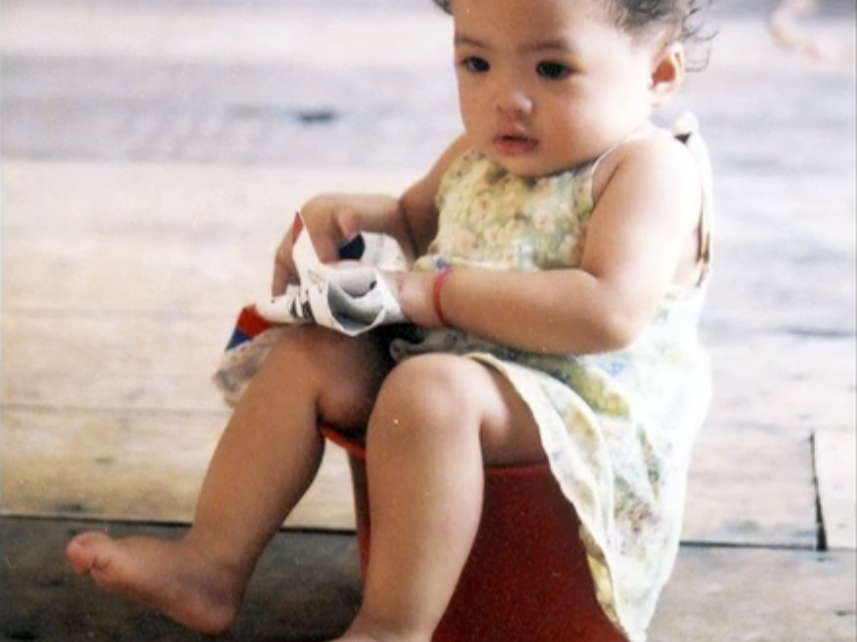
For most of human history, babies were not raised with disposable nappies. Across cultures around the world, mothers used timing, observation, positioning, and physical cues to help young babies control their bladder and bowels.
Baby pottying is still practiced today in parts of:
China
India
South East Asia
Africa
South America
and Indigenous communities worldwide
So how did western culture become convinced that early pottying is dangerous?
The answer lies in a combination of:
rigid “scientific” toilet training methods of the early 20th century
a rejection of instinctive and responsive parenting styles
the transformative invention of disposable nappies
and cultural shifts around childhood itself
Understanding this history helps explain why elimination communication (EC) feels controversial in some parts of the world, despite similar practices existing across cultures for generations.
Early 20th Century: Parenting Became Rigid
In the early 1900s, western parenting became increasingly influenced by scientific approaches to parenting, behaviourism, and child psychology. Parenting manuals written by child “experts” became hugely influential, while instinctive and responsive caregiving was often seen as old-fashioned or unscientific.
At the same time, wider social changes were reshaping family life. Industrialisation, urban living, and changing labour patterns meant many families became increasingly separated from older generations and traditional parenting knowledge. Structured schedules and expert-led parenting advice often promised mothers a more “efficient” and scientifically managed approach to childcare during a period of enormous social change.
Toilet training during this period was often strict, highly scheduled, and started from infancy.
Some methods included:
forced sitting
rigid timing
punishment
shame
even physical stimulation to trigger bowel movements.
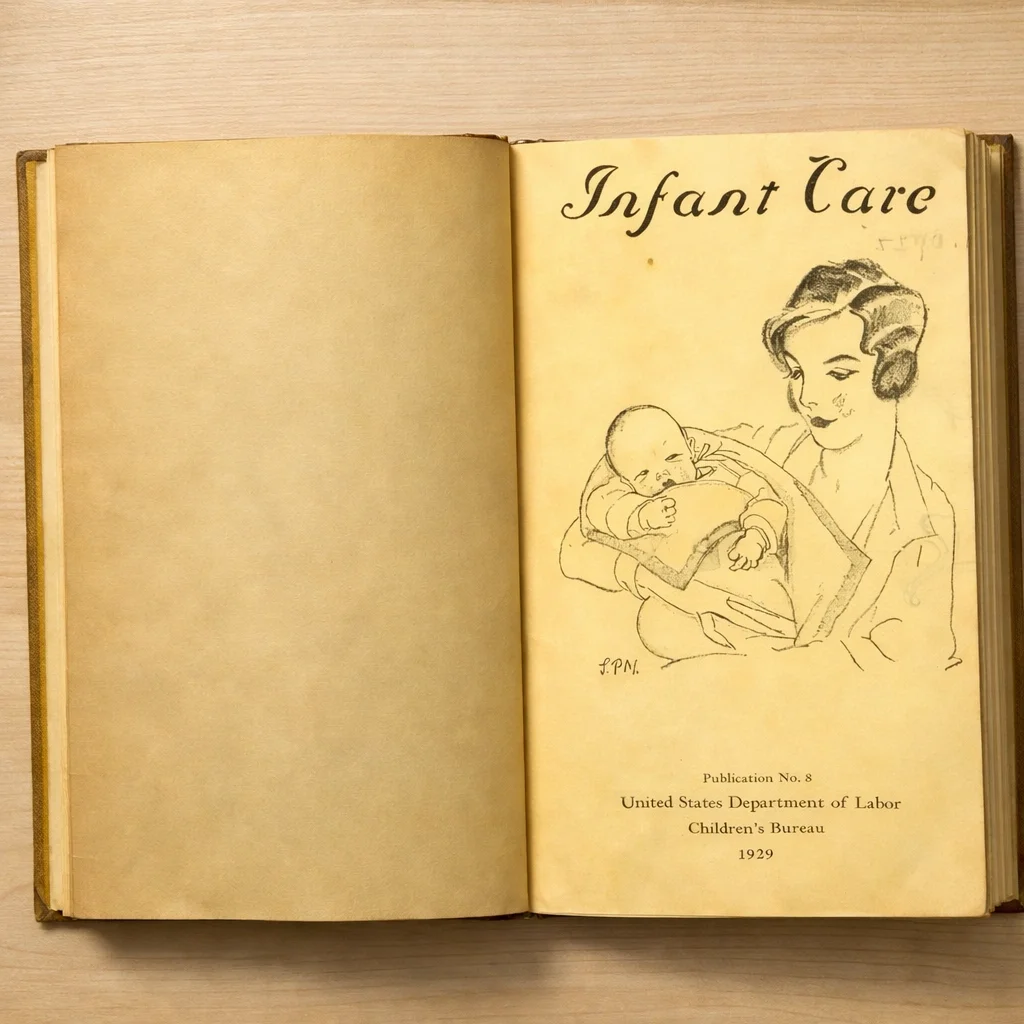
To give you an idea, take a look at the advice from a US government-published childcare manual from the early 20th century:¹
“Through training in regularity of feeding, sleeping, and elimination, the tiny baby will receive his first lessons in character building.”
The same manual also stated:
“Almost any baby can be so trained that there are no more soiled diapers to wash after he is 6 to 8 months old… The next day at that hour she should hold him over the chamber, using a soap stick, if necessary, to start the movement…”
Today, these methods sound harsh and emotionally distressing — and in some cases, they were.
This period is incredibly important in understanding modern fears around early toileting as it laid the foundation for what came next.
The Rise of Waiting For “Readiness”
By the mid-20th century, many pediatricians became concerned about the harshness of rigid toilet training culture and the pendulum swung strongly in the opposite direction.
One of the most influential voices was T. Berry Brazelton, who popularised the concept of “readiness signs” in the 1960s. Brazelton argued that toilet training should wait until children showed emotional, cognitive, and physical readiness.²
Brazelton did not present a formal checklist of “readiness signs” in his original 1962 paper. However, throughout the paper he repeatedly described developmental capacities that he believed supported successful toilet learning.

From Brazelton’s original work, the following signs of readiness are implied:²
the ability to sit and walk independently
some understanding of verbal communication
willingness to cooperate
interest in imitation of adults
growing autonomy and desire for mastery
emerging interest in cleanliness and staying dry
Later toilet training guidance influenced by Brazelton’s approach often expanded these ideas into more specific “readiness signs,” including:
staying dry for longer periods
predictable bowel movements
communicating toileting needs
following simple instructions
awareness of wetness or soiling
showing interest in using the toilet
Importantly, Brazelton was discussing readiness for independent toilet training in toddlers (he did not claim that younger babies lacked bodily awareness or the ability to communicate around elimination.
At the time, this was an important and compassionate shift away from coercive methods. Instead of forcing compliance, parents were encouraged to respect children’s development and autonomy.
However, over time, something subtle happened. Many people began to associate all early toileting with the coercive methods themselves.
But those are not the same thing. Elimination communication is gentle and responsive, and is fundamentally different from:
punishment
rigid scheduling
forced sitting
or pressuring babies to “perform”
EC philosophy is actually much closer to the responsive, child-led parenting approach that underpinned Brazelton’s core thinking.
Disposable Nappies Changed Everything
Another enormous cultural shift came with the rise of disposable nappies in the mid-20th century.

Before disposables became widespread:
washing nappies was labour-intensive
prolonged wetness caused discomfort
mothers were very aware of their babies’ toileting habits
But the highly absorbent materials meant babies experienced reduced awareness of wetness and parents noticed less elimination cues.³
At the same time, the average age of toilet training steadily increased.
In Britain in 1958:
47% of children were out of nappies by 12 months,
and 83% by 18 months.⁴
Today, toilet independence commonly occurs much later (between 3 – 4 years old).⁵
So as disposable technology increasingly masked the experience of wetness, it arguably also shifted cultural expectations around toilet “readiness” later and later, contributing to the rising age of pottying training.
“Developmental Readiness” vs Toilet Independence
One of the biggest modern misunderstandings is the idea that if a baby cannot independently walk to the toilet, remove clothing, and manage toileting alone, they must therefore have no awareness of elimination at all.
But those are two very different things.
A newborn obviously cannot independently use a toilet. Yet babies can still:
communicate discomfort
show predictable elimination patterns
respond to positioning
associate cues with toileting
gradually develop bodily awareness
In the same way you wouldn’t expect a child to immediately ride a bike independently, elimination communication views toileting as a gradual developmental process involving cooperation between parent and child.
In other words: awareness and independence are not the same thing.
The Fear of Psychological Harm
By the late 20th century, a strong cultural narrative had developed suggesting that starting “too early” could:
damage bladder control
cause constipation
create anxiety
lead to emotional problems
One modern voice that has strongly influenced discussions around toilet training is Steve Hodges, a paediatric urologist known for arguing that early toilet training may contribute to stool withholding, constipation, and wetting problems.
Hodges’ work has been important in highlighting that chronic constipation in children is common, often underdiagnosed, and can contribute to significant toileting difficulties.
However, an important distinction is often lost in discussions of his work. Much of the concern described by Hodges relates to children experiencing pressure, stress, withholding, or conflict around toileting. This suggests that the issue may not simply be the age at which toileting begins, but the way toileting is approached.
In addition, as Rebecca Mottram points out, Hodges’ work is largely based on children already experiencing urinary and bowel dysfunction, rather than healthy populations.⁶ This raises an important question about how broadly these findings can be generalised.
This matters because elimination communication differs fundamentally from the kinds of coercive or conflict-based toilet training dynamics often described in clinical populations.
The principles of EC does not involve:
forcing children to “hold” urine or stool
prolonged toilet sitting
punishment
pressure to perform
expectations of independent continence in infancy
Instead, EC is based on observation, timing and responsiveness to a baby’s natural toileting patterns and communication.
Harsh toilet training can absolutely create stress and toileting difficulties. However, modern discussions around early potty learning often fail to distinguish between coercive training methods and responsive baby pottying.
A Cultural Shift — Not a Biological One
Perhaps the most important thing to understand is this:
Human babies themselves have not fundamentally changed in the last 70 years.
What changed was:
nappy technology
parenting culture
medical advice
psychological theory
social expectations around childhood independence
That’s why baby pottying can seem “radical” in some modern western cultures — even though similar practices have existed across cultures for generations.
Even Dr Brazelton himself later expressed that elimination communication was a desirable approach to potty learning, although he believed it was often difficult to achieve within the realities of modern western life.⁷

In the final part of this series, I’ll explore what the data shows about the outcomes from pottying methods.
References
United States Children’s Bureau, Infant care. Washington, D.C.: U.S. Government Printing Office, first published 1914 (rev. ed. 1929).
Brazelton, T.B. (1962) ‘A child-oriented approach to toilet training’, Pediatrics, 29(1), pp. 121–128.
Breinbjerg, A., Rittig, S. and Kamperis, K. (2021) ‘Does the development and use of modern disposable diapers affect bladder control? A systematic review’, Journal of Pediatric Urology, 17(4), pp. 463–471. doi: 10.1016/j.jpurol.2021.05.007.
Douglas, J.W.B. and Blomfield, J.M., 1958. Children Under Five: The Growth, Health and Behaviour of Breasted and Bottle-fed Children. London: Allen & Unwin.
Wirral Community Health and Care NHS Foundation Trust, 2025. Toilet training – Parents and carers: Continence support (under 5 years). Available at: https://www.wchc.nhs.uk/children-young-people/parents-carers/continence-support-under-5-years/toilet-training/ (Accessed: 29/01/2026)
Mottram, R. (2018) ‘The dangers of early potty training: Do they really exist?’, Little Bunny Bear, 16 March. Available at:Rebecca Mottram article (Accessed: 27 May 2026).
Brazelton, T.B. and Sparrow, J.D. (2006) ‘A new/old way to toilet-train baby’, Deseret News, 14 August. Available at:Deseret News article (Accessed: 27 May 2026).
