
How Humans Around the World Pottied Babies From Birth
The idea of pottying a baby from birth sounds strange, alternative. Maybe even extreme.
But historically, it was neither unusual nor niche.
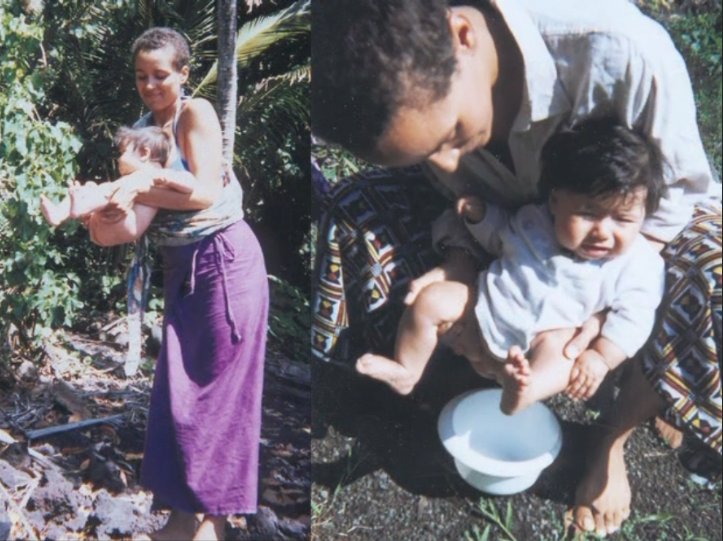
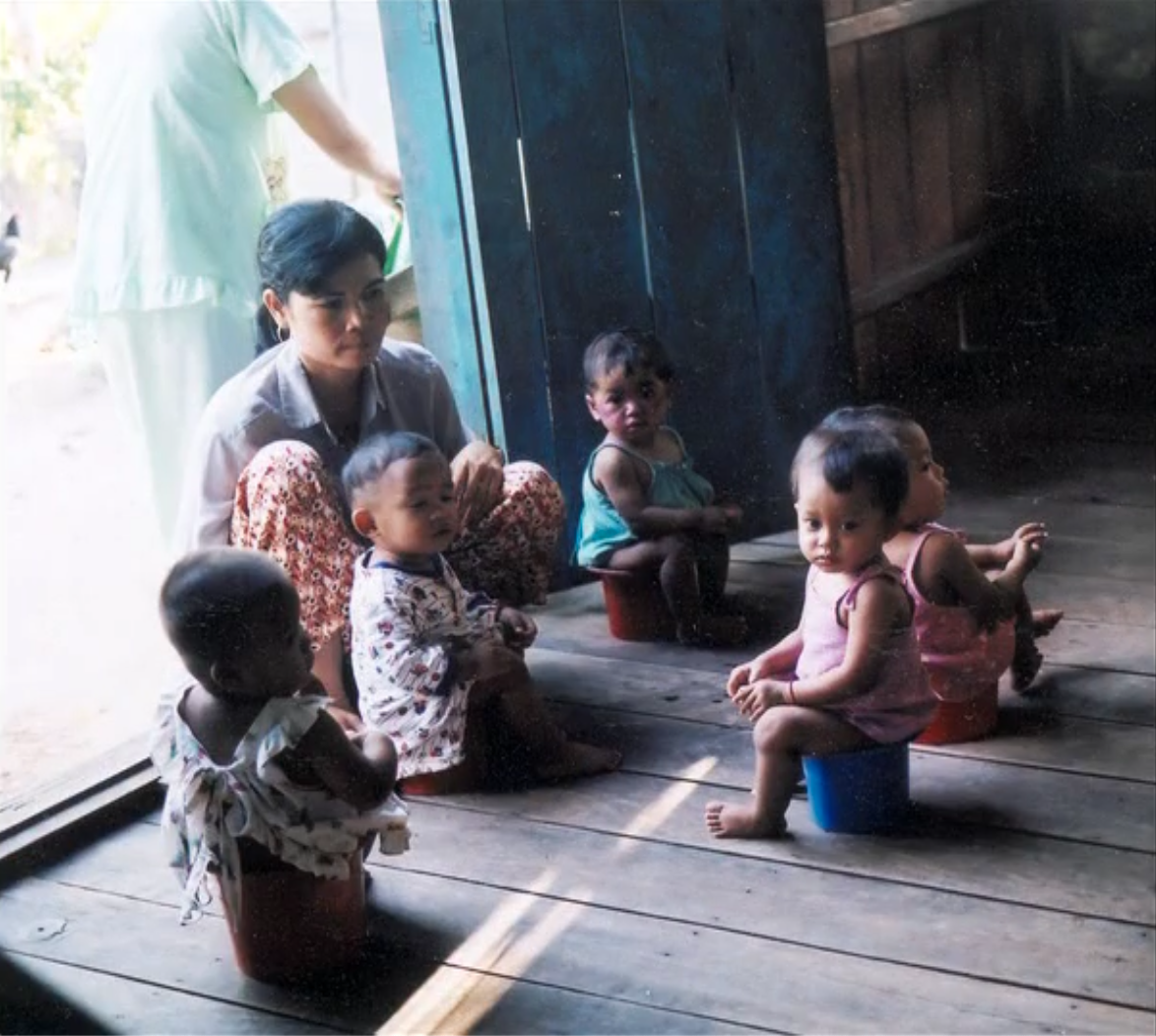
Across many parts of the world, for most of human history, babies were routinely helped to wee and poo outside of nappies from infancy as a part of normal, everyday life.
Much of the information in this article comes from Laurie Boucke’s Infant Potty Training: A Gentle and Primeval Method Adapted to Modern Living, which compiled anthropological reports and cross-cultural observations from around the world.¹
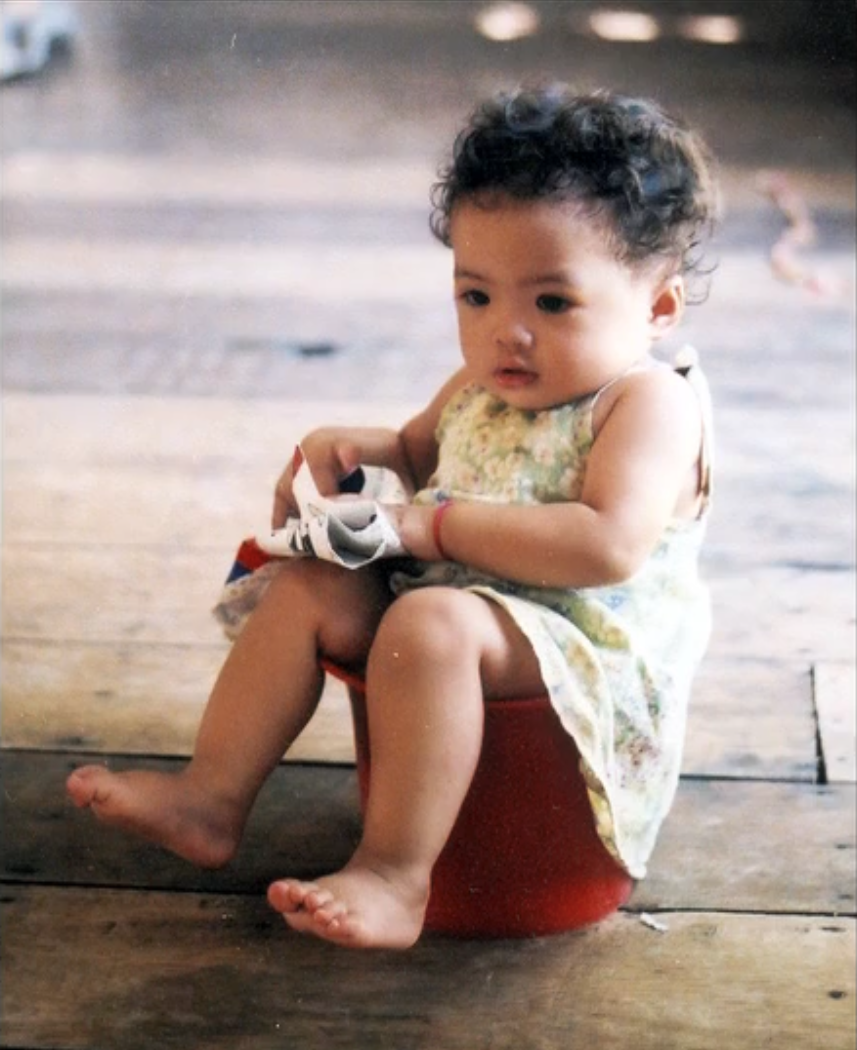


Before Disposable Nappies, Parents Had to Tune Into Their Babies
For almost all of human history, keeping babies permanently wrapped in absorbent materials was simply impractical. Cloth nappies were labour-intensive to wash, and only recently have humans had instant access to running water for cleaning nappies and babies’ bottoms. In many societies, nappies weren’t routinely used at all.
So instead, caregivers learned to anticipate when babies needed to go.
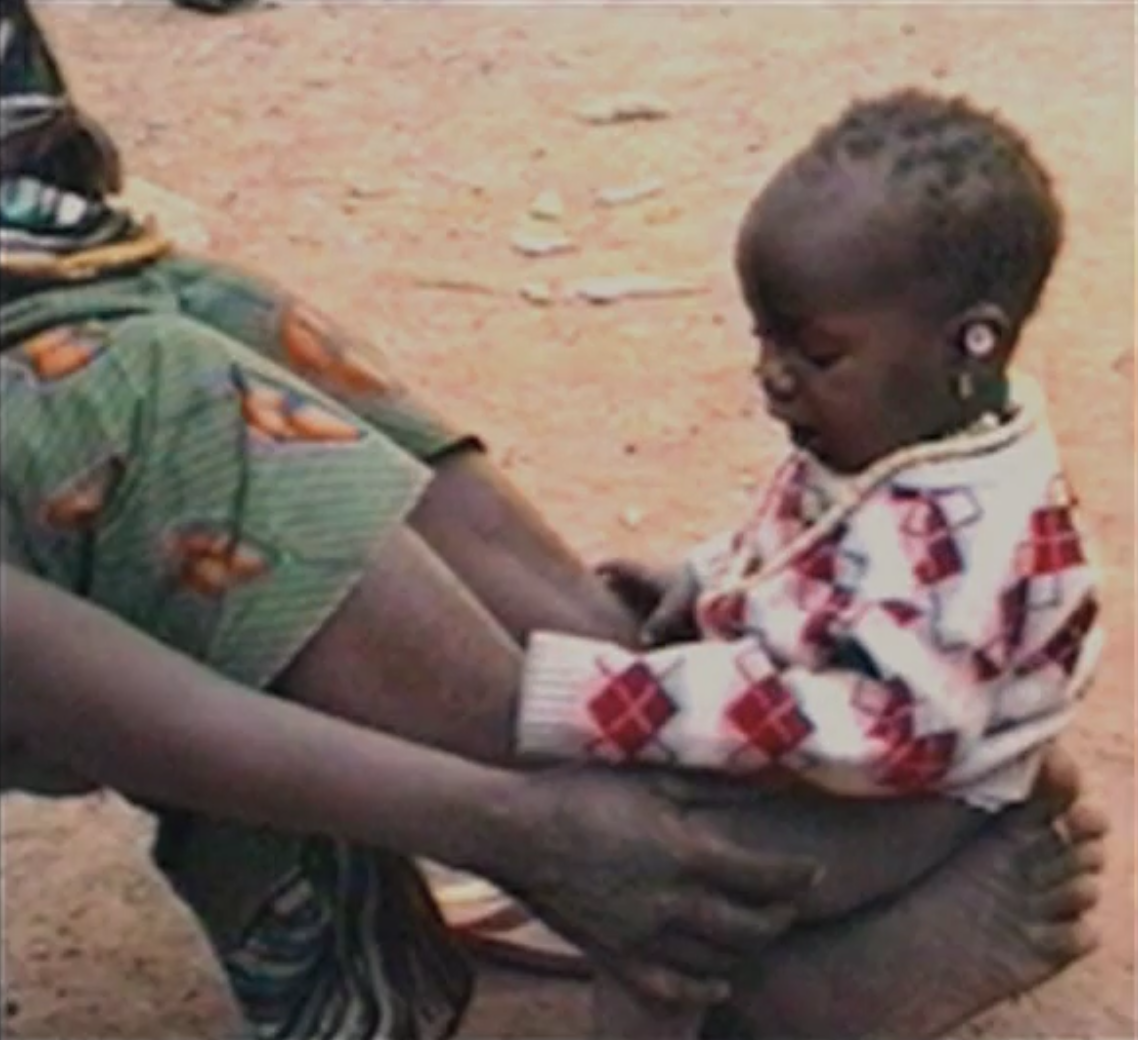
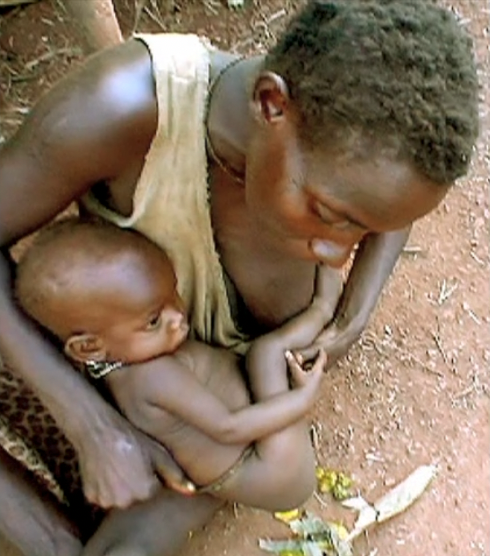
Mothers, grandmothers and relatives watched for timing, facial expressions, body tension, fussing or specific sounds. Babies were held out, often in a supported squat position, and caregivers used familiar cueing sounds like hissing or whistling.
The Same Patterns Appeared Across the World
One of the most fascinating parts of Boucke’s research is how often the same themes appear in completely unrelated cultures.
Anthropologists documented infant pottying practices in:
Kenya
Botswana
India
Tibet
Senegal
Togo
Nigeria
Arctic Inuit communities
Indigenous South American groups
rural China
parts of Japan
and many more
Some details varied, but the underlying themes were very similar:
babies communicated elimination needs
caregivers responded to those needs
toileting started from infancy
nappies were minimal or temporary
allowing babies to soil themselves was avoided
In Many Cultures, Toilet Learning Began in Infancy
Among the Digo people of Kenya, researcher Martin DeVires, MD, found that families commonly started training at 2 to 3 weeks of age and were trained by around 4 to 6 months old. Babies were held in specific positions, whenever the mother sensed that the baby needed to go.
Anthropologist Alain Epelboin noted that in Senegal:
“Sphincter-control began as soon as a mother comes out of seclusion with her infant—in general, around the age of 1 week”.
In a rural village in Japan, researchers found that although babies were commonly swaddled until around 1 year old, mothers still began potty learning from around 1 month of age. Mothers learned their babies’ individual cues and the process was described as casual during infancy, becoming more structured after children learned to walk.
Other cultures paid relatively little attention to toileting during the first year itself, with learning becoming more intentional once children became mobile.
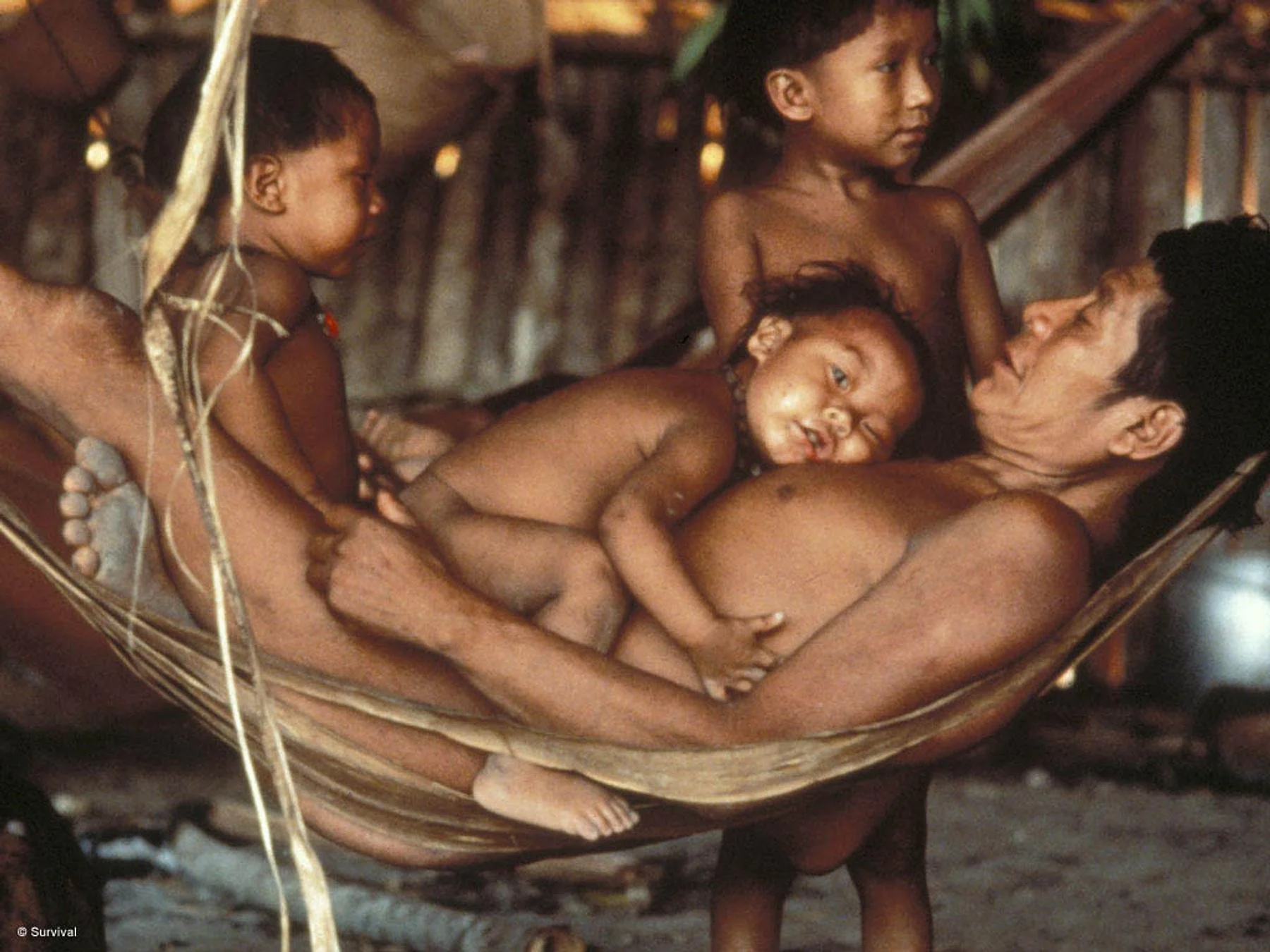
Anthropologist Allan Holmberg noted that in Bolivia:
“Children who are able to walk, however, soon learn by imitation, and with the assistance of their parents, not to defecate near the hammock.”
This appeared to be a common pattern in several South American regions.
Baby Wearing and Baby Pottying Were Intertwined
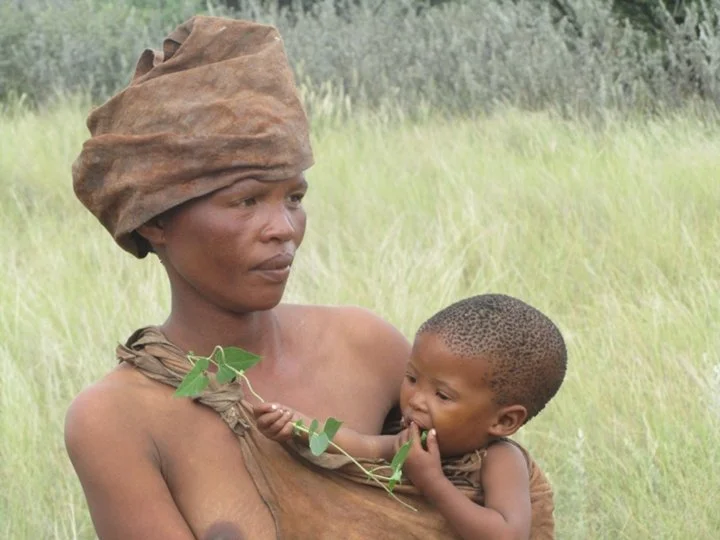
In many communities, babies spent most of the day in direct physical contact with mothers — on hips, backs, laps or slings.
Babies were rarely placed down for long periods.
This level of physical closeness appears to have made small toileting cues much easier to notice. The common cues were things like:
sudden stillness
wriggling
changes in facial expression
body tension
posture shifts
fussiness before elimination
Anthropologist Mary Ainsworth, best known today for her attachment research, described Ugandan mothers maintaining near-constant physical closeness with their babies and becoming extraordinarily sensitive to subtle bodily changes associated with elimination.
Rather than existing as a separate “training system”, infant pottying often appeared to emerge naturally from cultures where babies were held, observed and responded to almost continuously throughout the day.
Other Common Tools Were Timing, Routine and Association
Many caregivers didn’t rely solely on observing signals in the moment. Pottying was often built naturally into the rhythm of daily life.
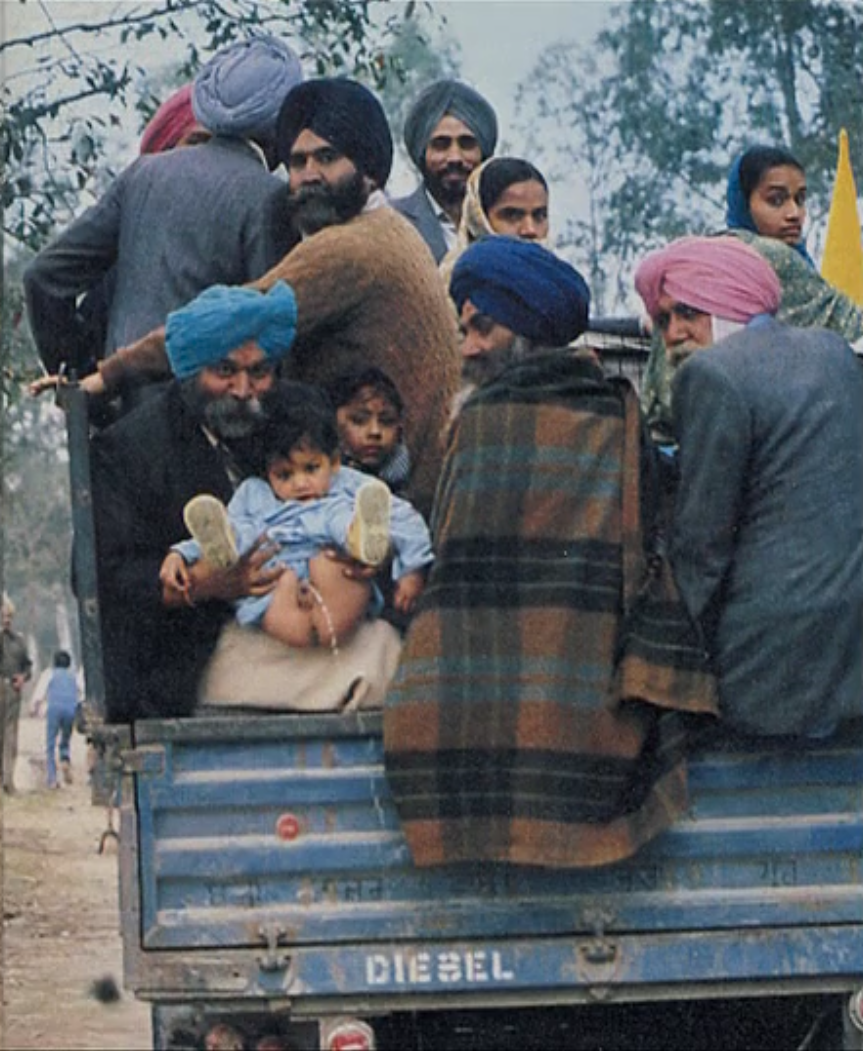
In several Indian communities, infant toileting was closely tied to predictable transition points throughout the day, and were often trained by 6–9 months. Babies were commonly held out:
after feeding
after waking
before sleep
after naps
or at regular intervals during the day
In Tibet, toilet learning was described as beginning during early infancy through “association by sound”. Mothers consistently used cue sounds while holding babies out to eliminate.
Across multiple cultures, similar hissing, whistling and vocal cueing sounds appeared again and again — despite these societies having no connection to one another.
Inuit Communities Used Moss Instead of Nappies
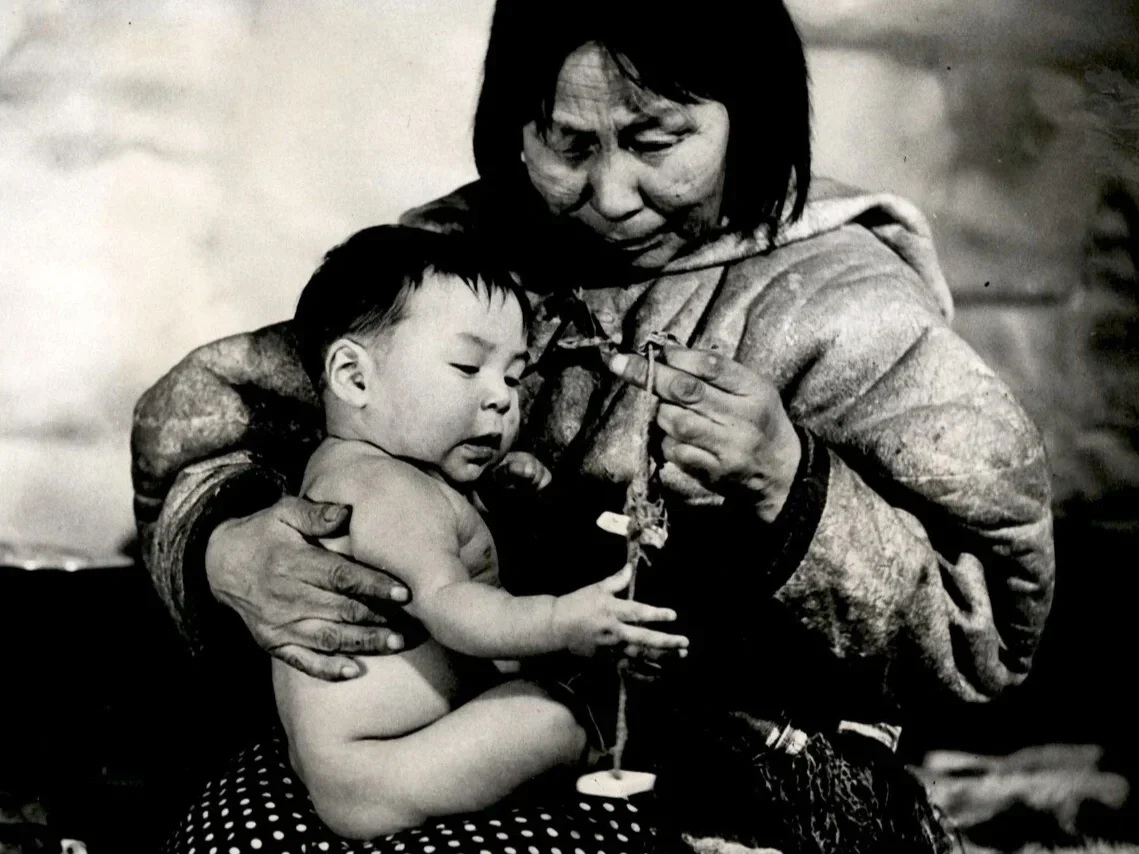
Even in Arctic regions, where babies sometimes wore absorbent moss or animal skins because of extreme cold, caregivers still responded actively to elimination timing and cues.
This is important because it challenges a common misconception: baby pottying is not “all or nothing”.
Many societies used backup materials when needed, while still maintaining awareness and communication around elimination.
Which, interestingly, looks very similar to how many modern EC families approach pottying today.
Potty Learning Wasn’t Treated Like a Distinct Milestone
One of the clearest themes running through Boucke’s research is how ordinary and integrated infant toileting was within everyday life.
Across many of these accounts, babies were not viewed as passive or completely unaware of elimination until toddlerhood. Caregivers expected babies to communicate through timing, routines, body tension, restlessness or familiar patterns.
Potty learning was rarely treated as a dramatic event that suddenly began one weekend in toddlerhood. In many cultures, it appeared to unfold gradually from infancy as part of ordinary life with a baby.
You Don’t Have to Go Back Very Far
One of the most surprising things is realising you don’t actually need to look only at remote tribes or ancient history to find it.
For many westerners, these practices existed just one or two generations ago. My own granny started pottying my mum from infancy — from around 3 months old — and recalls that daytime pottying was largely wrapped up well before 18 months.
And once you start asking older relatives about it, you begin hearing similar stories surprisingly often.
So Why Has Baby Pottying Been Forgotten in the West?
That shift didn’t happen because humans suddenly changed biologically.
It happened because culture changed.
Disposable nappies, industrialisation, changing childcare patterns and modern parenting norms dramatically altered how western societies approached infant toileting during the 20th century.
And over time, early pottying became reframed from “normal infant care” into something unusual or controversial.

In Part 2 of this series, I’ll look at how that happened — and where many modern fears and misconceptions about elimination communication actually came from.
References
Boucke, L. (2002) Infant Potty Training: A Gentle and Primeval Method Adapted to Modern Living.
