START POTTYING GUIDE: PART 3 OF 5
Baby pottying positions are the ways you hold or support your baby so they can comfortably wee or poo outside of a nappy.
The position you use helps your baby relax their body and release naturally — often using a supported squat.
Elimination Communication (EC) / baby pottying positions are simple and flexible. You can hold a newborn in your arms, support your baby over a potty, or help an older baby sit independently. As your baby grows, the position naturally evolves.
The Basic Baby Pottying Positions
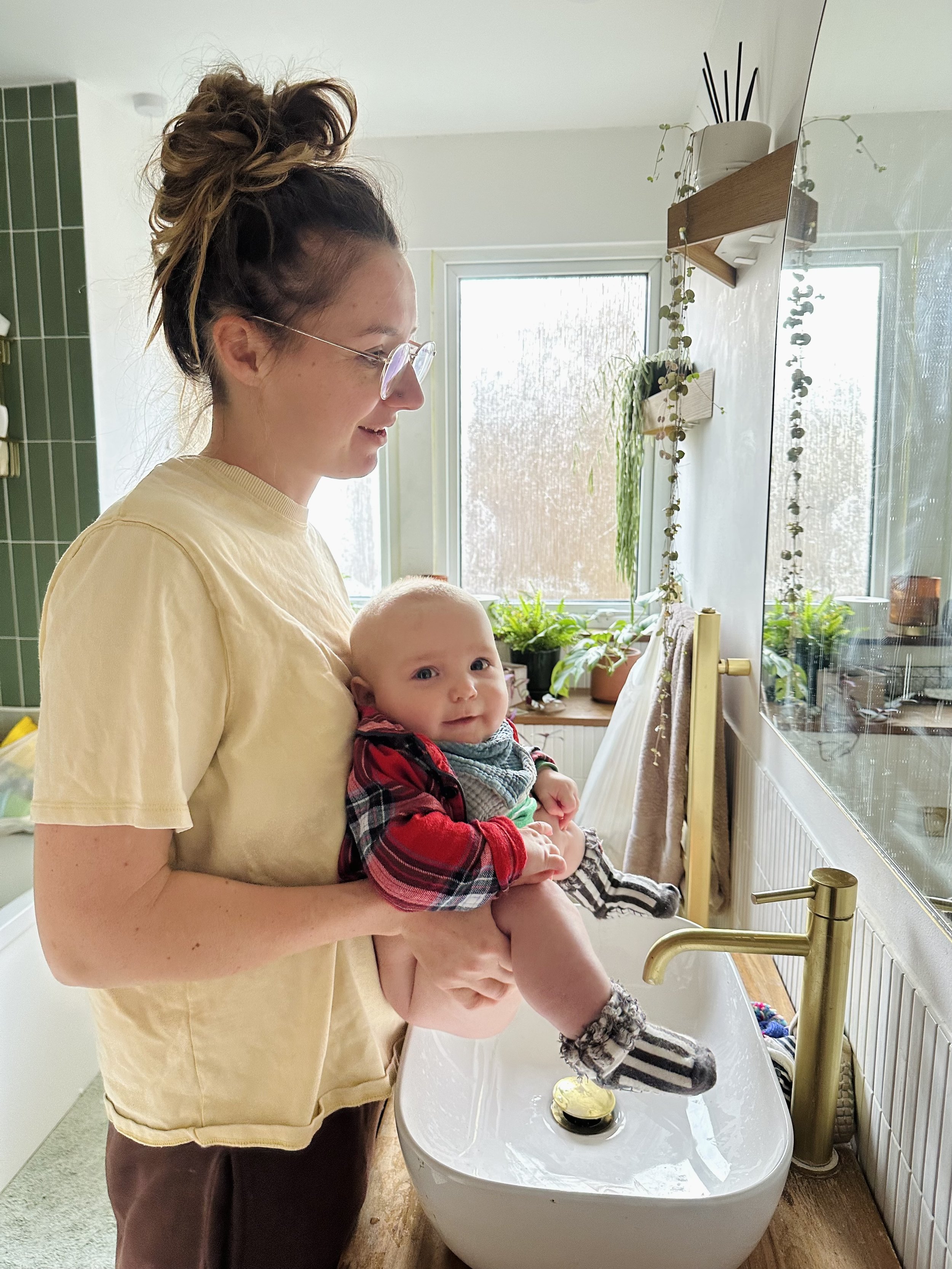
The classic hold
This is where your baby's back is placed against you, with each hand under baby's thighs. This puts baby's bottom hanging down.
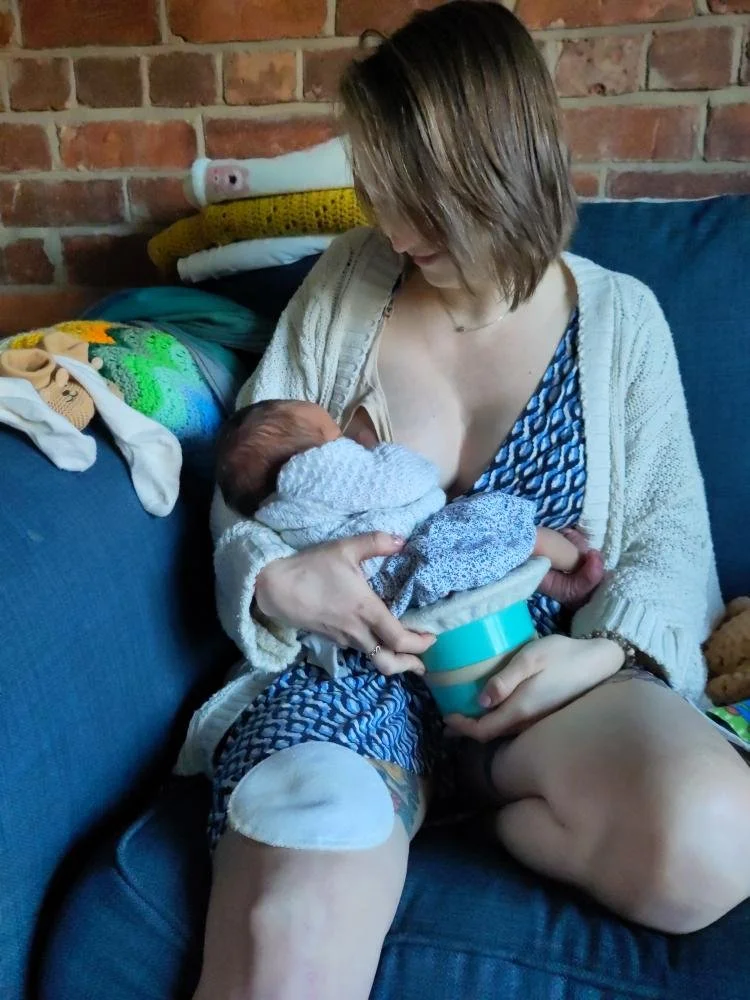
The cradle hold
Rest your baby’s head on one of your arms and hold their legs with your arms. This hold is particularly helpful for very young babies or newborns.
The Physiological Benefit of Squatting
The physiological benefit of squatting has been shown in several studies. This position straightens out the passage that stools pass through and relaxes the pelvic floor muscles, which results in less straining and complete emptying of the bowel. And this is for all humans: babies, children and adults!
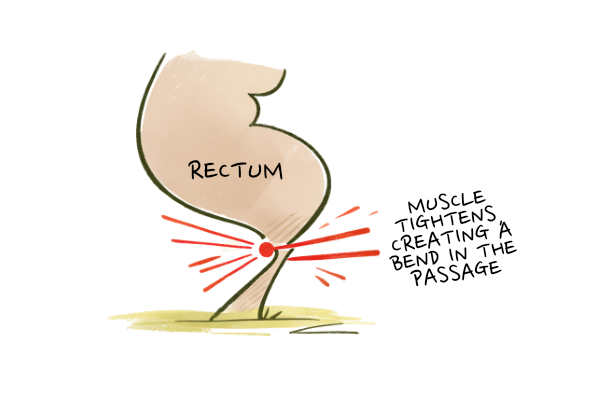
SITTING
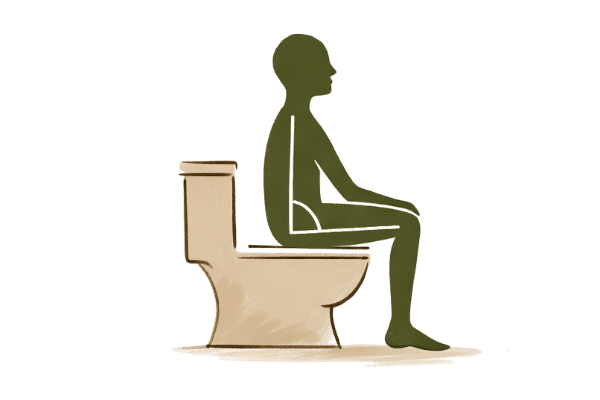

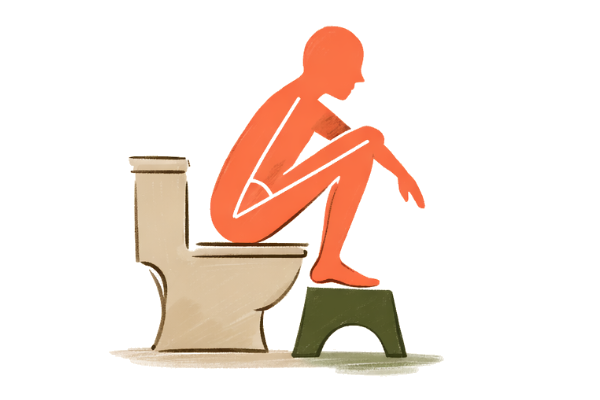
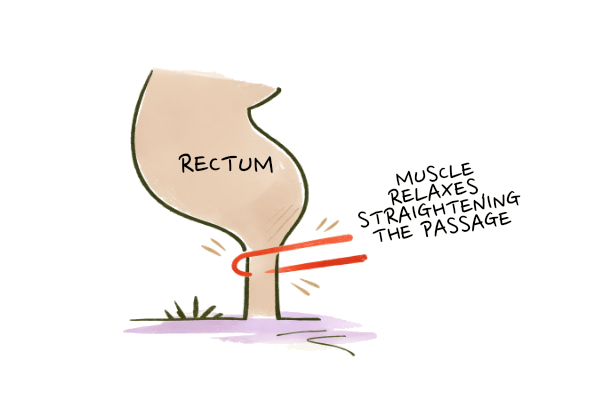
SQUATTING
The Basic Baby Pottying Positions: Mobile Babies
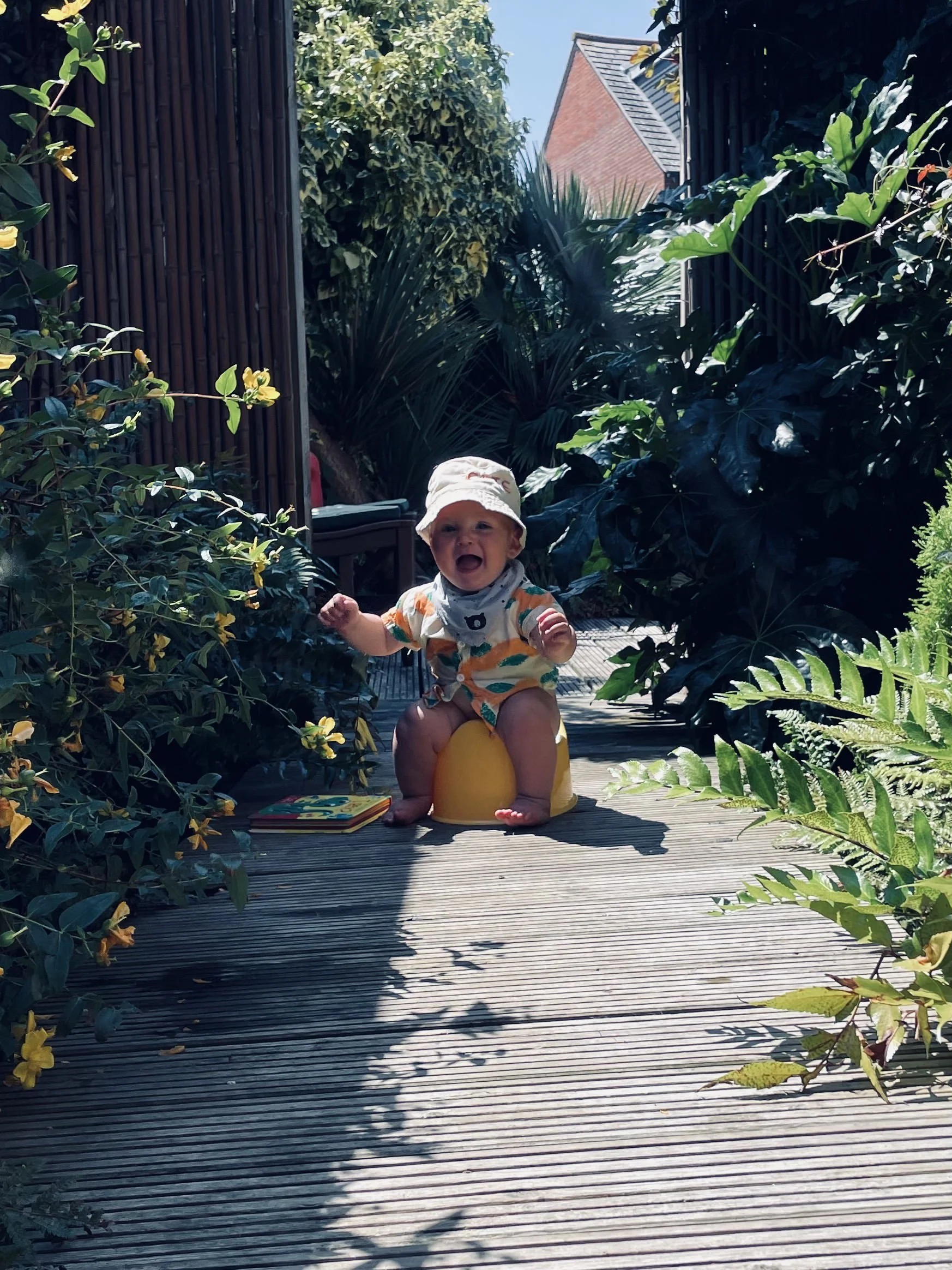
Sitting on the potty
As soon as your baby can sit up, they can use a potty.
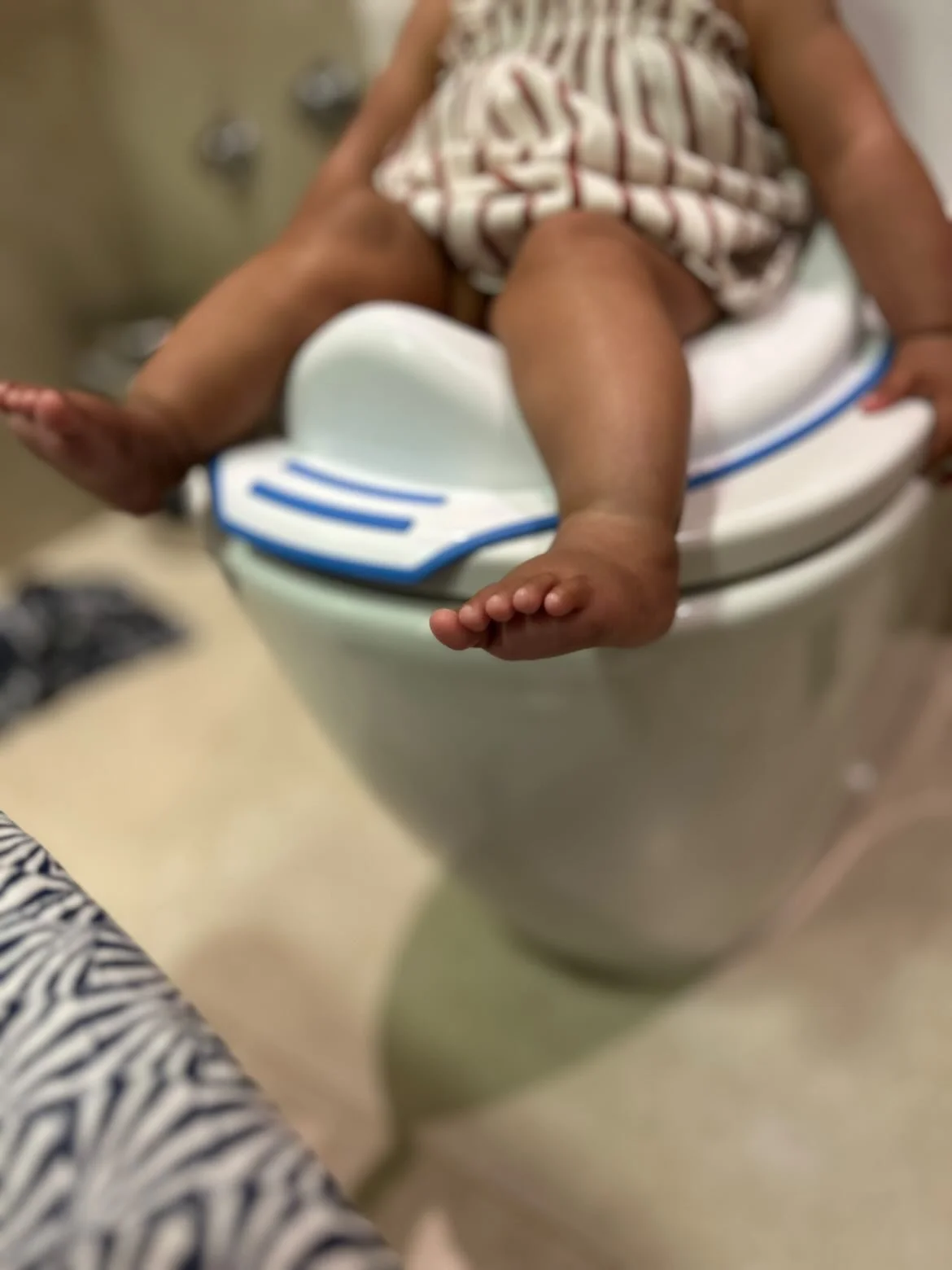
Sitting on the toilet
Another option is a toilet seat reducer. Some babies love to feel as though they are copying you by using the big toilet.
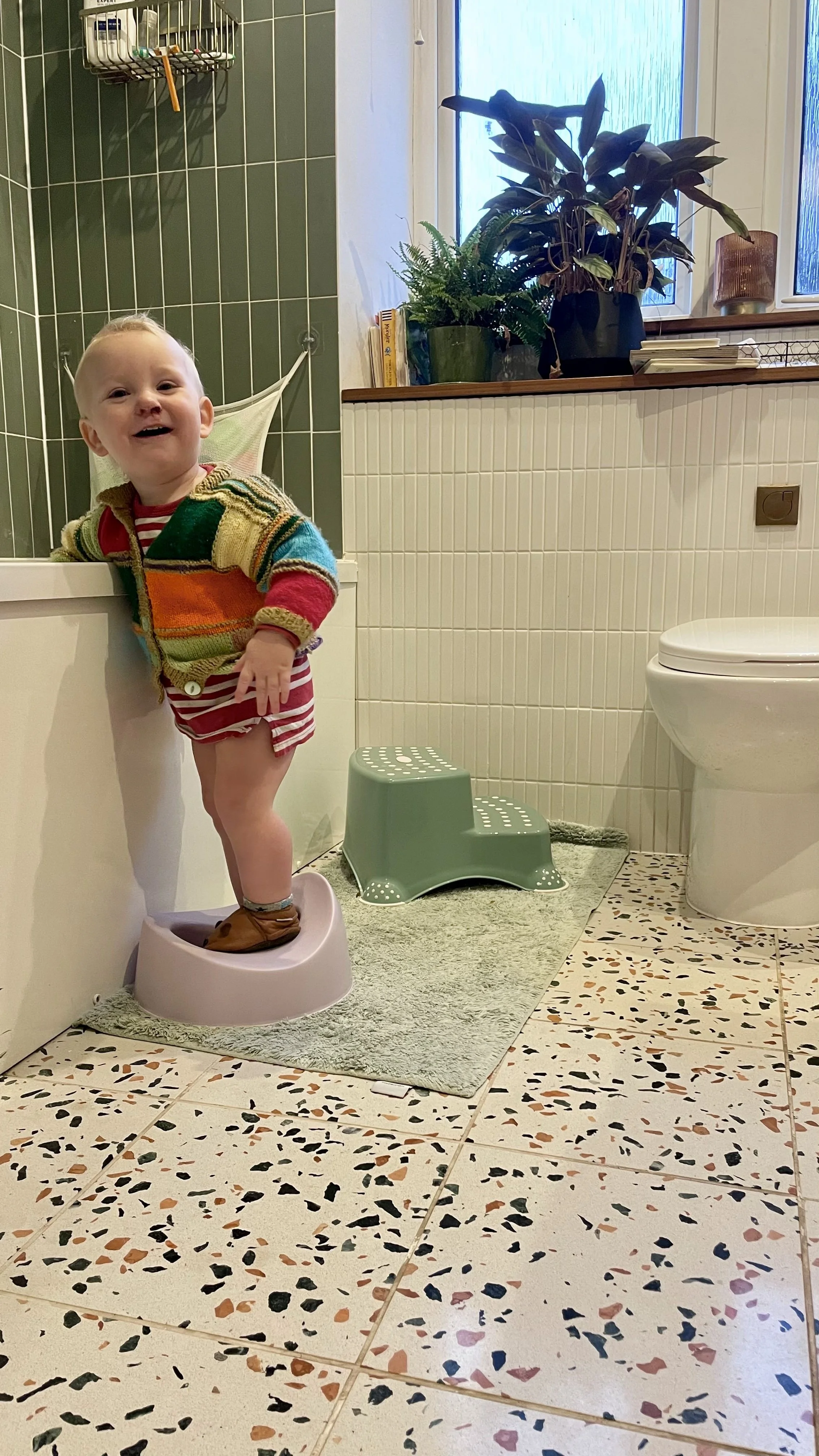
Standing up
Babies are also good at peeing standing up. Either outside, in the shower, or on the potty.
Your Next Steps to Start Pottying
01
What Is Baby Pottying?
02
How To Get Started
03
What Are My Baby’s Signals?
04
How To Hold Your Baby: Positions
YOU ARE HERE
05
Cueing: Sound Association
Let’s make this ancient wisdom feel second nature again.

Product Recommendations
Whilst you don’t need any special products to get started with, check out the products that have helped me along the journey.