START POTTYING GUIDE: PART 3 OF 5
One of the most common questions parents have when starting baby pottying is: How do you know when your baby needs to go?
Before weeing or pooing, many babies show small changes in their behaviour, body language, or sounds. These are known as baby pottying signals.
Learning to recognise these signals is a key part of baby pottying (also known as elimination communication, EC). By noticing these cues, parents can offer the potty at the right moment and begin building communication around toileting.
Yes! Many parents are able to pick up on their babies signals, and babies are often more aware of their bodily functions than we realise. There is a huge variety in the way that babies signal, so it’s key that you learn your baby’s unique signals just before they do a wee or poo. Common signals include:
Energy change: sudden fussiness or stillness
Crying
Squirming or wriggling
Grimace or concentration face
Grunting or bearing down
Arching back
Grabbing groin area
Blowing raspberries
Trying to escape the highchair, carrier, etc.
Do Babies Really Signal Before They Wee?

Observation Time: Learning Your Baby’s Signals
One of the best ways to recognise your baby’s signals is simply to spend some time observing what they do before they wee or poo.
It can be tempting to skip this step and go straight to offering the potty. But taking a little time to watch your baby first can make baby pottying feel much easier and more natural.
Observation time doesn’t need to be a formal session where you’re watching your baby constantly. Instead, you can build it into your normal playtime.
Try spending around 20–30 minutes observing your baby once or twice a day until you start to notice patterns. Many babies go more frequently:
in the morning
sometime after lunch
around bath time
These can be helpful times to start observing.
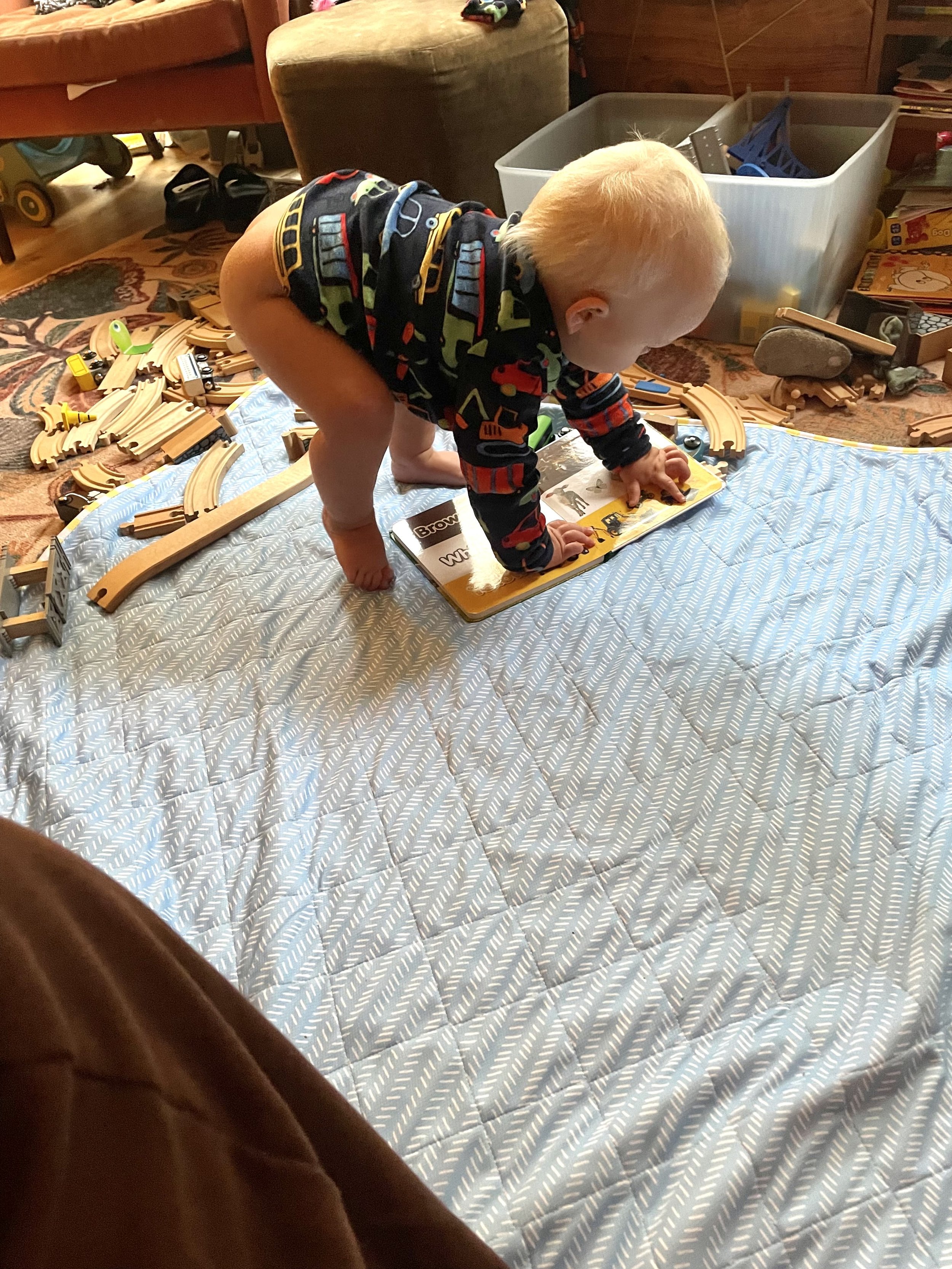
Not every baby signals in the same way, and signals can change as babies grow. Some babies show very clear cues, while others are more subtle. With a little observation and time, many parents can recognise their baby’s patterns and rhythms.

Let’s make this ancient wisdom feel second nature again.
Your Next Steps to Start Pottying
01
What Is Baby Pottying?
02
How To Get Started
03
What Are My Baby’s Signals?
YOU ARE HERE
04
How To Hold Your Baby: Positions
05
Cueing: Sound Association

Product Recommendations
Whilst you don’t need any special products to get started with, check out the products that have helped me along the journey.