START POTTYING GUIDE: PART 1 OF 5
At It’s Core —
Baby pottying, also known as Elimination Communication (EC), is simply helping your baby to wee and poo somewhere other than the nappy.
Many parents find they can observe patterns or cues that suggest when their baby needs to wee or poo. Instead of relying entirely on nappies, parents offer their baby opportunities to use the potty (often called a “pottytunity”).
It’s All About Communication
Babies communicate long before they can talk. They show us when they're hungry, tired, uncomfortable or ready for a cuddle — and they can also communicate when they need to wee or poo.
They can communicate through cries, squirms, wriggles, shifts in energy. These are called your babies’ signals.
Baby pottying is about learning to notice those signals and responding to them by offering an appropriate place to go, outside of the nappy. That might be a potty, sink, toilet or even outside.
It’s not about catching everything. And generally, babies will still wear a nappy as a back-up.
Just as babies gradually learn to walk and talk through practice and exposure, toileting is another developmental skill that can develop over time.
Can Babies Really Use the Potty?
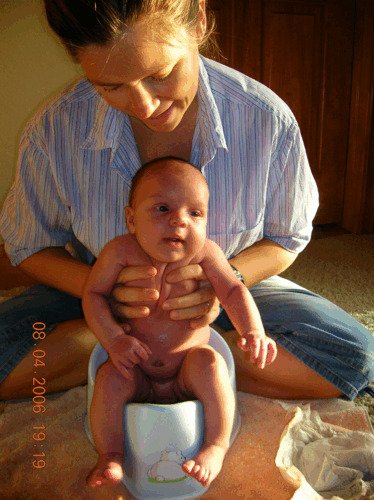
Yes. Babies can be supported to wee and poo in a potty from a very young age.
This doesn't mean expecting a newborn to independently control their bladder or bowel, or expecting them to tell you every time they need to go. It means recognising that babies have bodily awareness and can participate in toileting long before conventional potty training usually begins.
In many cultures around the world, as well older generations in the West, babies have traditionally been supported with toileting from infancy. In modern Western parenting, however, nappies have become the default until a child is considered “ready” for potty training.
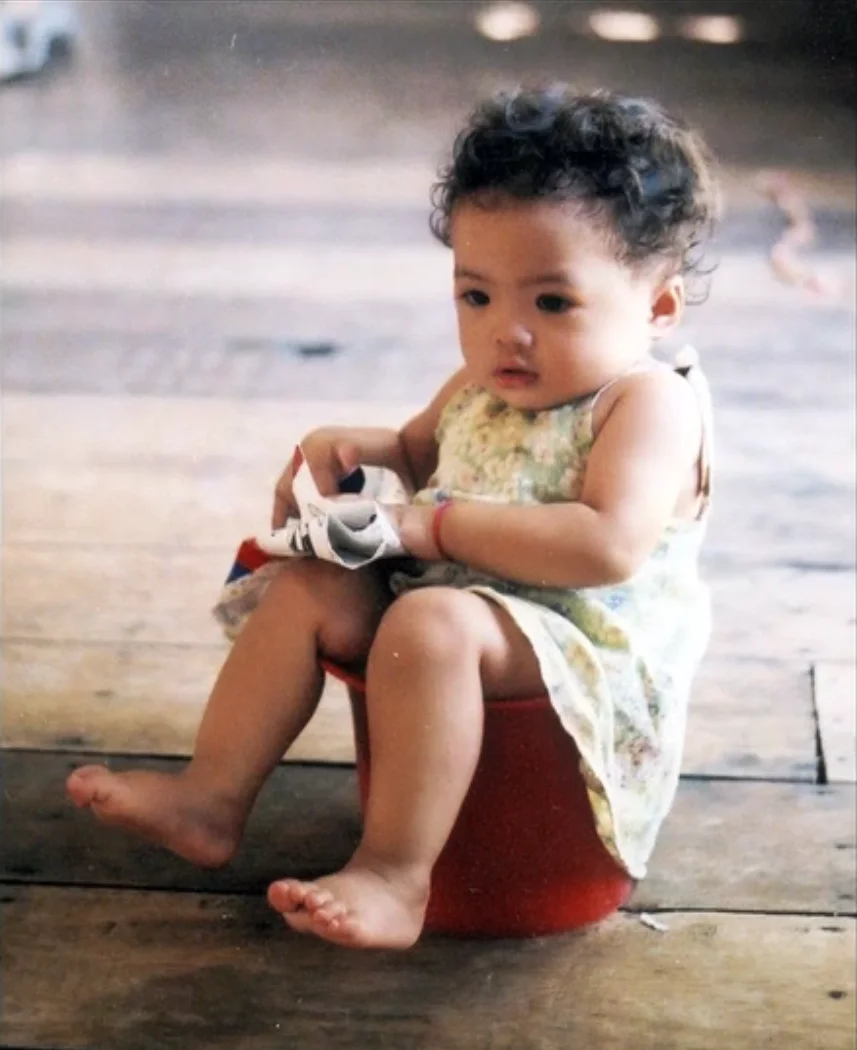
Want to go deeper? Learn How Humans Around the World Pottied Babies From Birth
Why Parents Choose Baby Pottying


Cost and environmental benefits


Can reduce fussiness
and crying
Can reduce colic


Quicker potty independence
Encourage positive body awareness


Can supports breastfeeding
Can help with nappy rash


More hygienic
Develop babies’ communication
Build a deeper connection
Your Next Steps to Start Pottying
01
What Is Baby Pottying?
YOU ARE HERE
02
How To Get Started
03
What Are My Baby’s Signals?
04
How To Hold Your Baby: Positions
05
Cueing: Sound Association
Let’s make this ancient wisdom feel second nature again.

Product Recommendations
Whilst you don’t need any special products to get started with, check out the products that have helped me along the journey.