
The Ultimate Guide to Choosing a Potty for Elimination Communication
Without a doubt, the question I'm asked most often is:
"What's the best potty for baby pottying?"
To get started, don't wait until you've bought the "perfect" potty. Use what you already have. That might be the toilet, the sink, out in the garden, or even an old Tupperware container. The most important thing is getting started—not buying more stuff.
That said, once baby pottying becomes part of your daily routine, most families find that having a dedicated potty makes life much easier. A good potty is portable, easy to clean, always available and, most importantly, allows your baby to adopt a comfortable toileting position.
With so many different shapes, sizes, brands and prices to choose from, it can be difficult to know where to start. This guide explains what actually matters, explores the different types of potty available, and reviews some of the most popular options in the UK, so you can choose the one that's right for your baby and your family.
But First, Let's Talk About The Squat!
Before we look at different potties, there's one thing that's worth understanding first: the squat.
In my opinion, this is one of the most overlooked aspects of choosing a potty, yet it's one of the most important.
Humans have evolved to empty their bowels and bladder in a squat. Around the world, many cultures still use squatting toilets, and young children naturally squat when relieving themselves outdoors. It's a position our bodies are designed to use.
A good squat gently brings the knees towards the tummy, helping to relax the pelvic floor muscles and straighten the angle between the rectum and anus. This makes passing a poo easier and often more complete, without the need to strain.
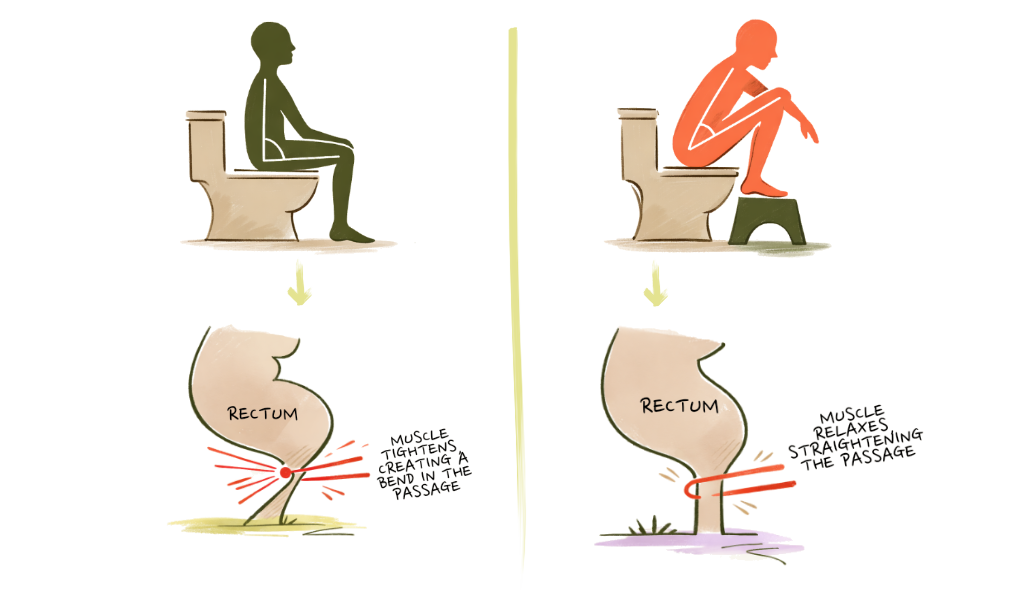
One of the reasons I believe baby pottying works so well is because it allows babies to use this natural position from the very beginning. Rather than expecting babies to poo lying down in a nappy, we're supporting them in a posture that their bodies are already designed for.
Choosing one that encourages a natural, stable squatting position will make the rest of this guide—and the product reviews—much easier to understand.
So, with that in mind, let's look at the features that are actually worth paying attention to when choosing a potty.
What Features Matter In A Potty?
There are lots of different potties to choose from but the things that actually matter are surprisingly simple. And regardless of whether you do EC or not, you're really only looking for three things:
1/ Encourages a natural squat
If you only remember one thing from this guide, make it this –
A potty with a lower seat height allows your baby to bring their knees comfortably towards their tummy and maintain a stable squatting position.
2/ Stable
Think about how and where you'll use the potty every day.
A stable potty with a bit of weight is often most practical, as it is:
Less likely to slide around
Less likely to tip over
Less likely to come up attached to your baby's bottom as they try to stand up!
3/ Easy to clean
When you're using a potty several times a day as part of your EC routine, simple is usually best. Smooth surfaces, uncomplicated designs and removable inserts (if you like them) can all make life that little bit easier.
Understanding The Different Potty Styles
Tophat potty
- Small, deep bowl
- Easy to hold between your thighs while supporting your baby
- Compact and lightweight
- Families starting EC from birth
- Supported newborn holds
- Quickly outgrown once babies are sitting confidently
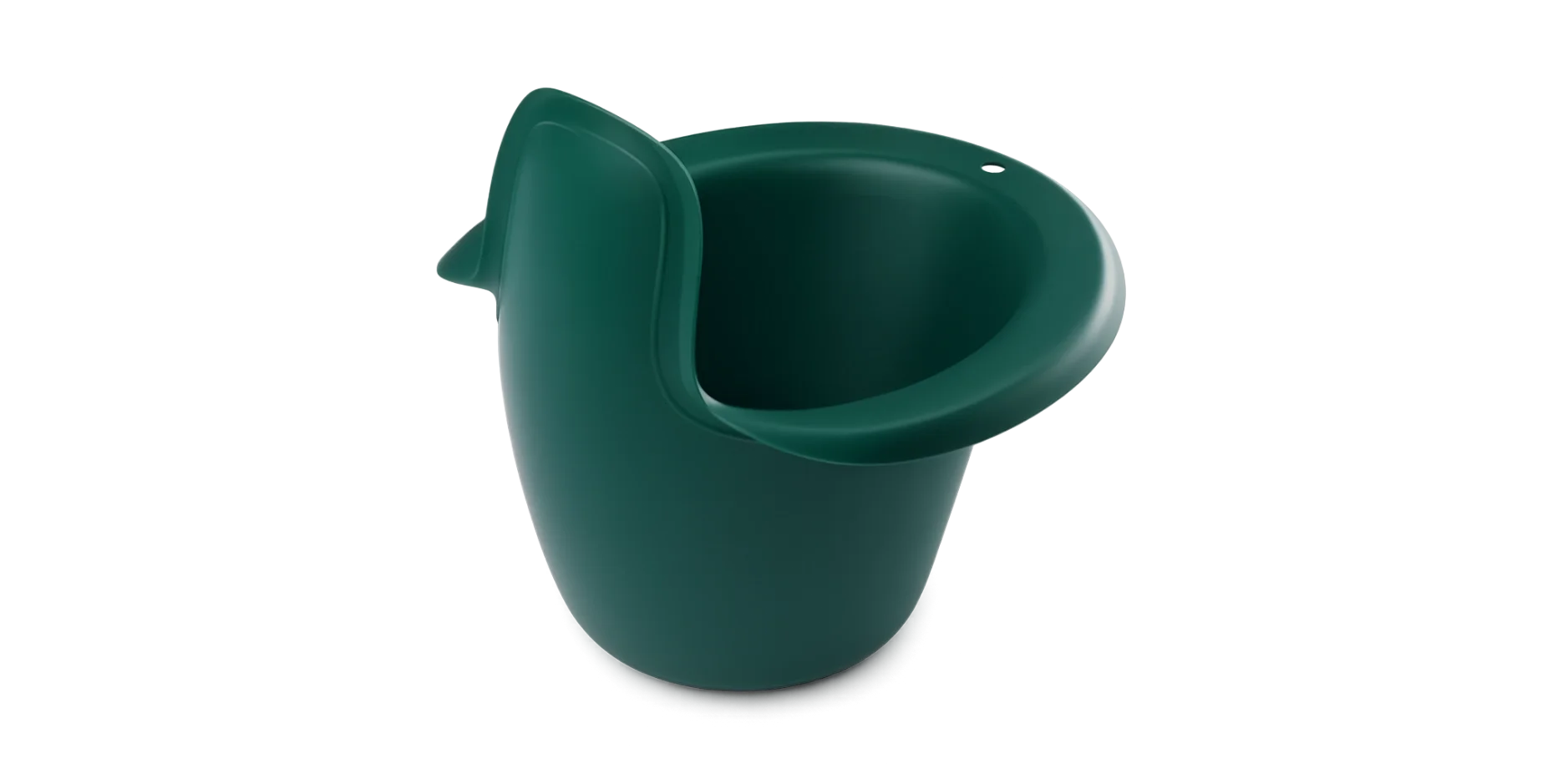
🌟 My top pick: Easypisi Top Hat
Slightly larger than a traditional tophat, so it lasts longer
Integrated splash guard makes it particularly good for boys
Traditional tophat is still an excellent budget-friendly option, especially for girls
Mini potty
- Lower seat height
- Encourages a comfortable squat
- Smaller footprint than a standard potty
- Babies who have outgrown a Tophat potty
- Families wanting a compact everyday potty
- Surprisingly difficult to find in the UK
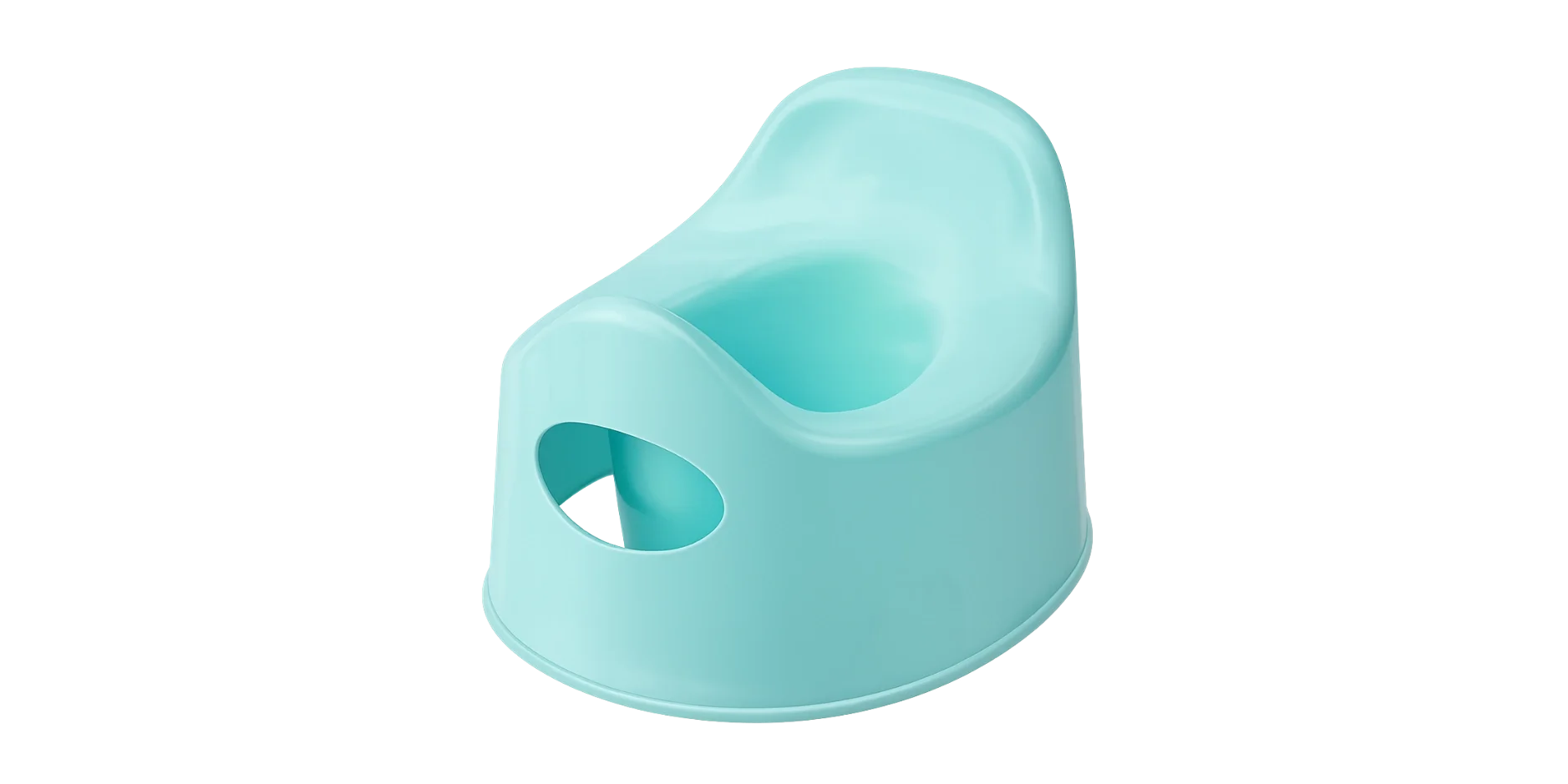
🌟 My top pick: IKEA LILLA
A natural step up from a tophat once your baby is sitting
Small(ish) design with a low seat height
Simple and inexpensive
Standard potty
- Widest range of styles and sizes
- Easy to find in shops
- Some include higher backs, splash guards or other features
- Families looking for one versatile potty
- Some models are too tall for younger babies to achieve a comfortable squat
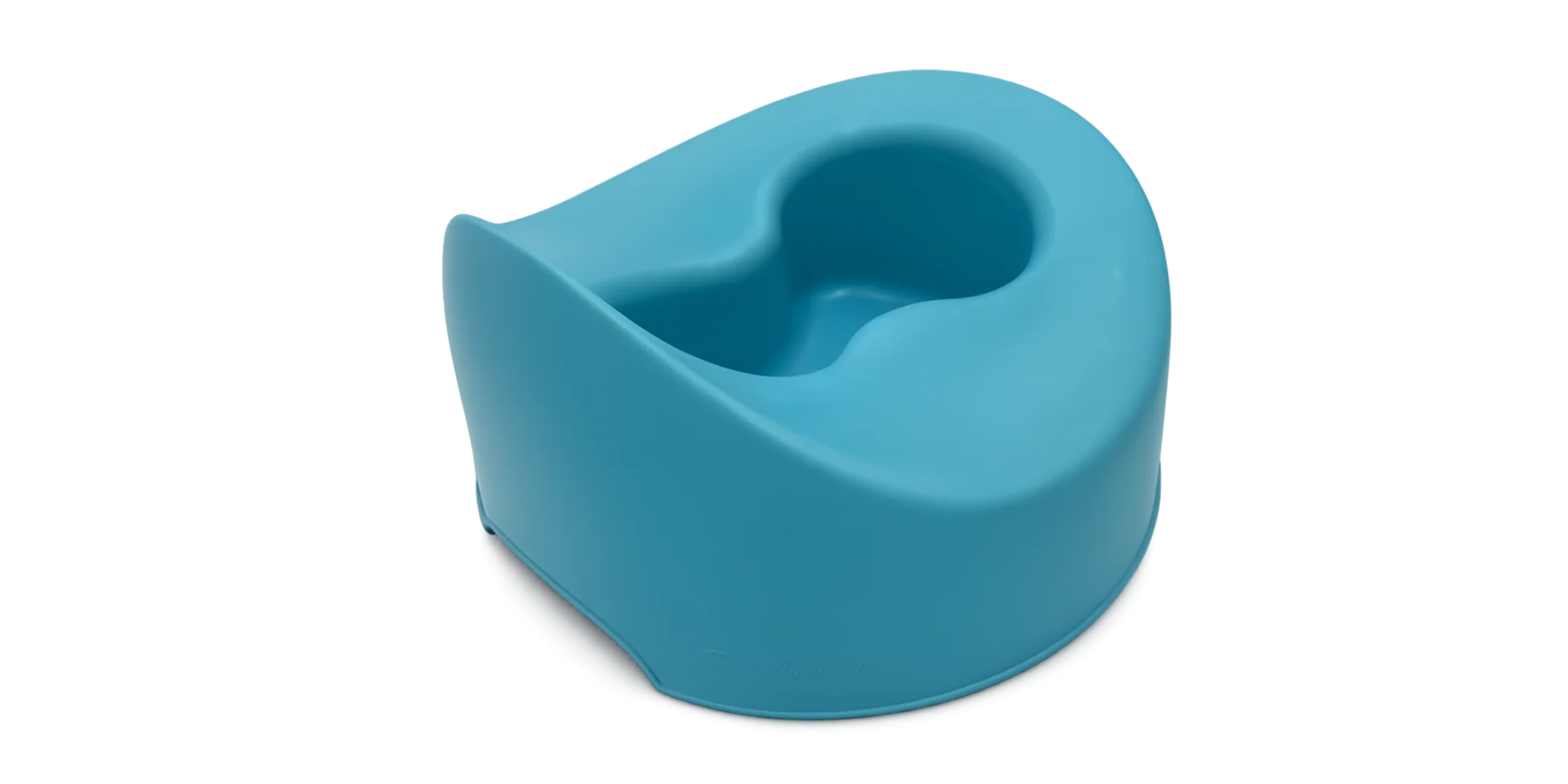
🌟 My top pick: Ergonomic Potty (Plastic Free Baby)
Ergonomic shape encourages a natural squat
Stable, comfortable design that's ideal from around 8 months onwards (although I used earlier, from around 6 months)
A great long-term potty that grows well with your baby
Potty with removable insert
- Removable inner bowl for easier emptying
- Some inserts can be used on their own
- Families wanting extra flexibility
- Parents who like using the insert as a Tophat-style potty during the early months
- Usually more expensive and bulkier than simpler designs
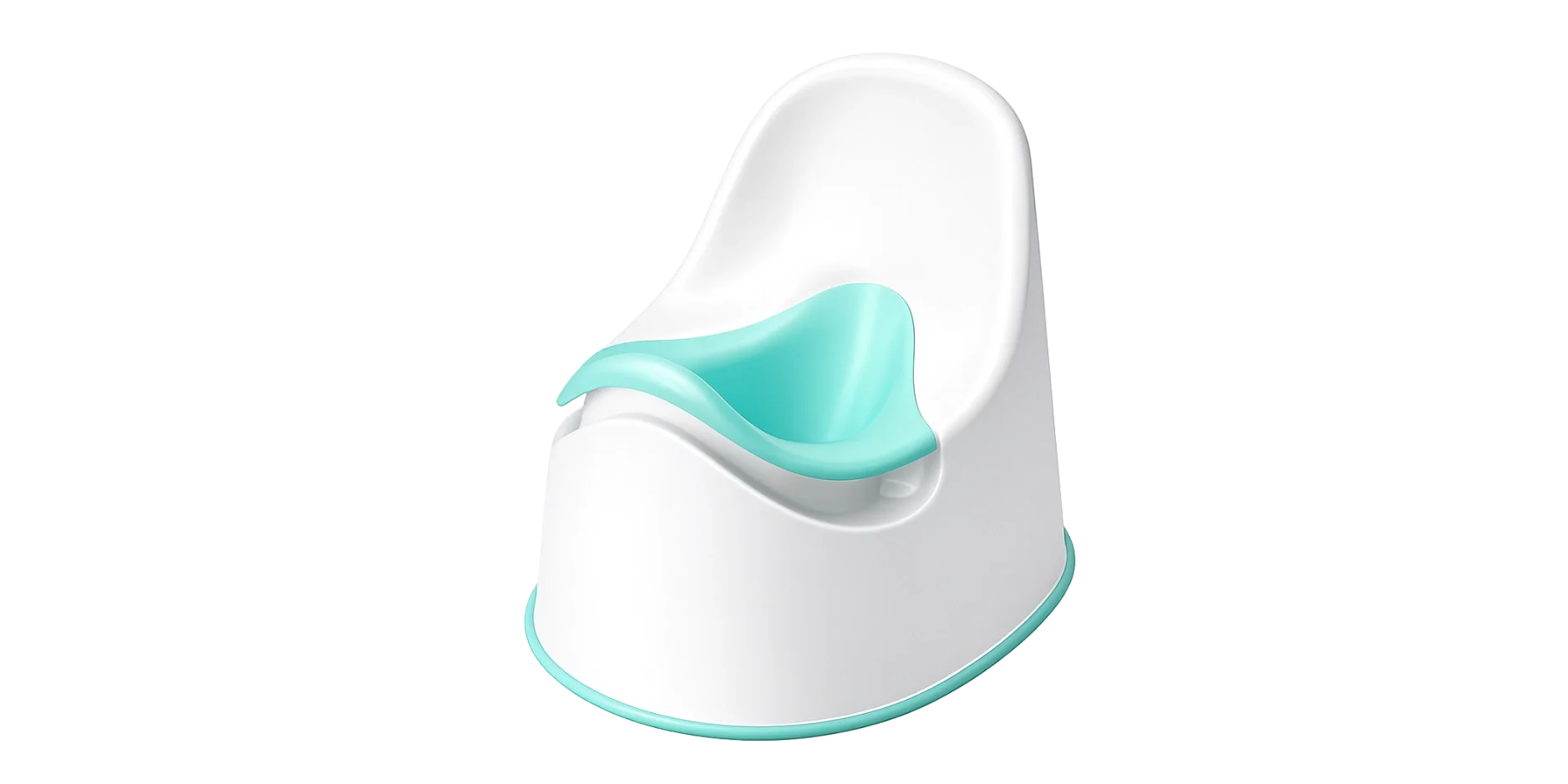
🌟 My top pick: IKEA LOCKIG
Deep removable insert makes emptying and cleaning quick
Insert can also be used on its own with younger babies
Excellent value without compromising on practicality
Travel potty
- Foldable or compact
- Easy to carry
- Ideal for holidays and days out
- Pottying out and about, including parks, holidays and the car
- Not usually the most comfortable option for everyday use
- Often a compromise between portability and ease of emptying and cleaning
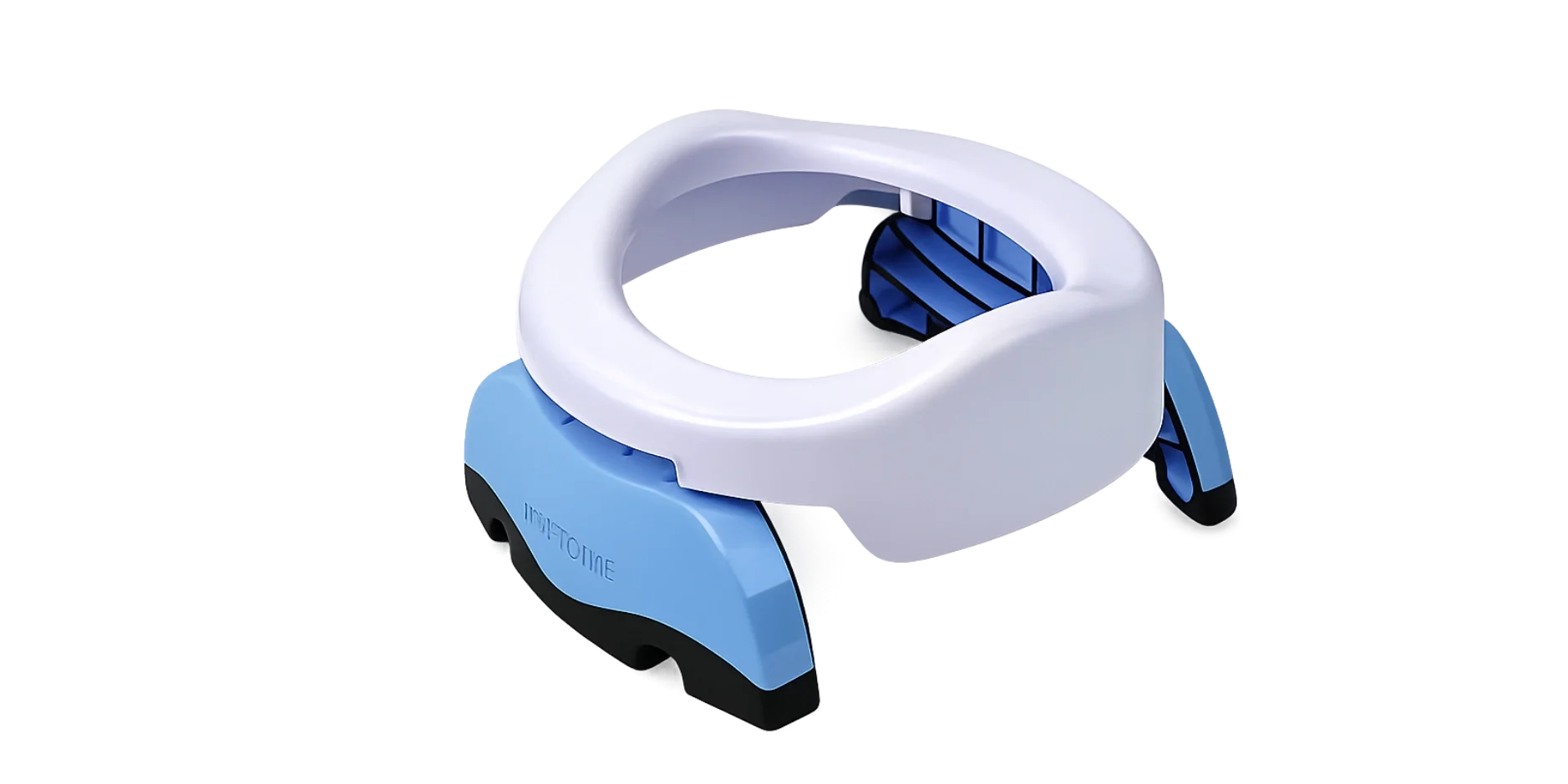
🌟 My top pick: Potette Plus
Folds flat, making it ideal for travel
Works as both a travel potty and a toilet seat reducer
You can also use the removable silicone insert to catch the wee and poo
Toilet seat reducer
- Fits onto a standard toilet
- No separate potty to empty or store
- Encourages use of the family toilet
- Older children who are ready to transition away from a potty
- Usually less suitable for younger babies, as it's harder to achieve a stable, supported squat
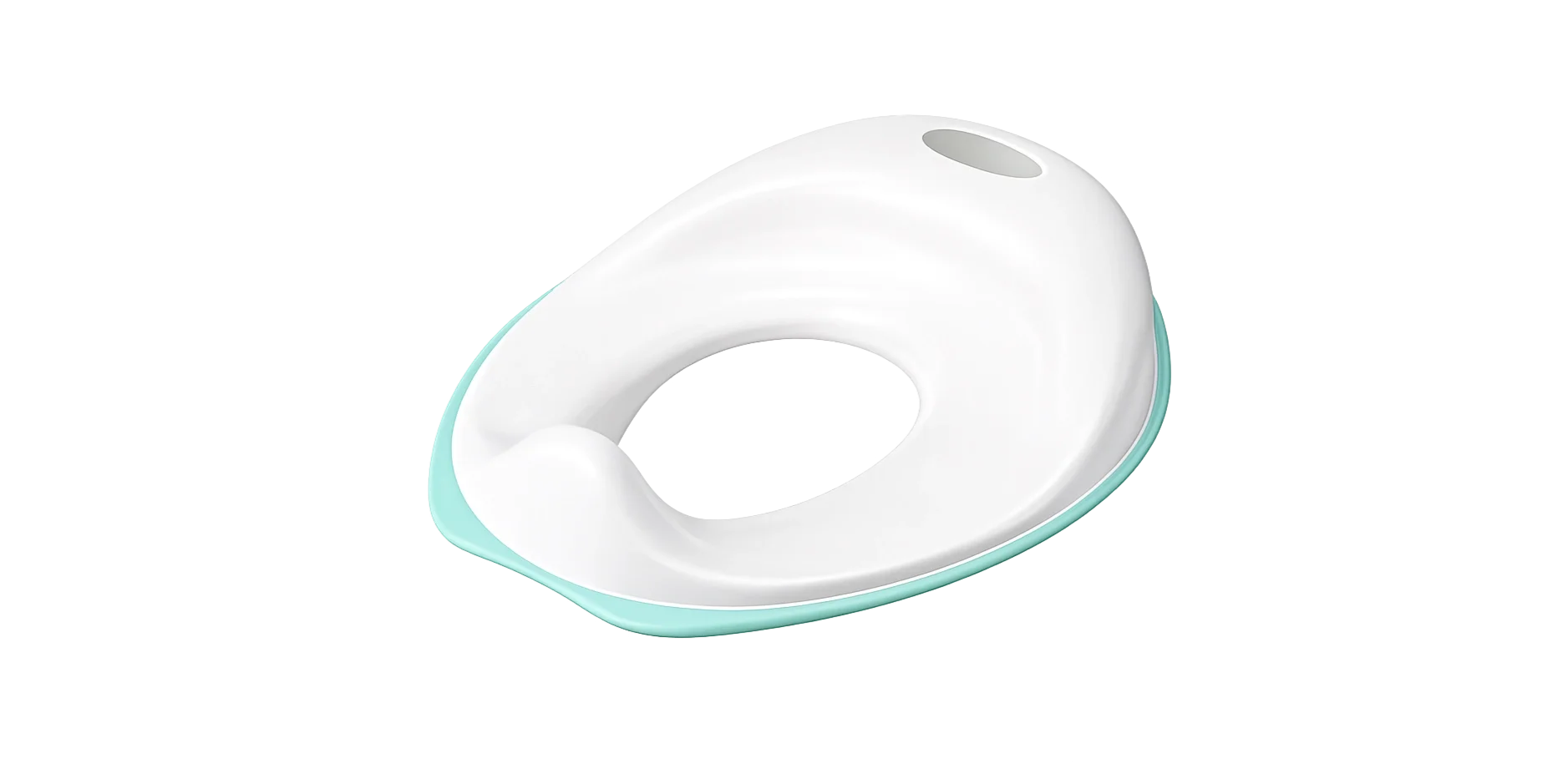
🌟 My top pick: IKEA TOSSIG
Simple, sturdy and easy to clean
Fits securely onto most standard toilets
A great next step once your child is ready to move on from a potty
There is no one "perfect" potty.
Start with something that supports a natural squat, is practical for your family and feels easy to use.
If you have a favourite potty that I haven't mentioned, or you've had a particularly good (or bad!) experience with one of the potties in this guide, I'd love to hear from you. Send me a message through the contact page.
Happy pottying!
