START POTTYING GUIDE: PART 2 OF 5
When Can You Start?
The simple answer is: you can start at any age.
There is no single “right” time to begin. Many parents start when their baby is a newborn, while others discover baby pottying later. Whatever the age, start when you feel ready and at your own pace.

From birth to 3 months
This is often when babies’ natural toileting signals are usually strongest. Parents may notice clear signals before their baby wees or poos.

From 3 to 12 months
Babies begin to form routines and may communicate more actively (with sounds, gestures, or expressions). Your baby may go through periods of being more or less interested in potty time, which is all part of the journey.
After 12 months
The principles of baby pottying still apply, however it may take longer to reacquaint your baby with their bodily awareness. Some choose to use a hybrid approach: baby pottying techniques alongside conventional toilet training methods.
How Do You Know When Your Baby Needs to Go?
There are three paths to pottying:

Natural timing
This path makes up the everyday timings and rhythm of the day. Includes upon waking, after feeds, before/after bath, being in the carseat, pram or baby carrier.

Signals
Non-verbal and verbal communication babies make to indicate they need to go. There is a huge variety of signals, so it’s key that you learn your baby’s unique signals just before they do a wee or poo.

Intuition
Having a thought or feeling that your baby needs to go, e.g. the “phantom wee”—feeling a warm patch, when baby hasn’t actually peed.
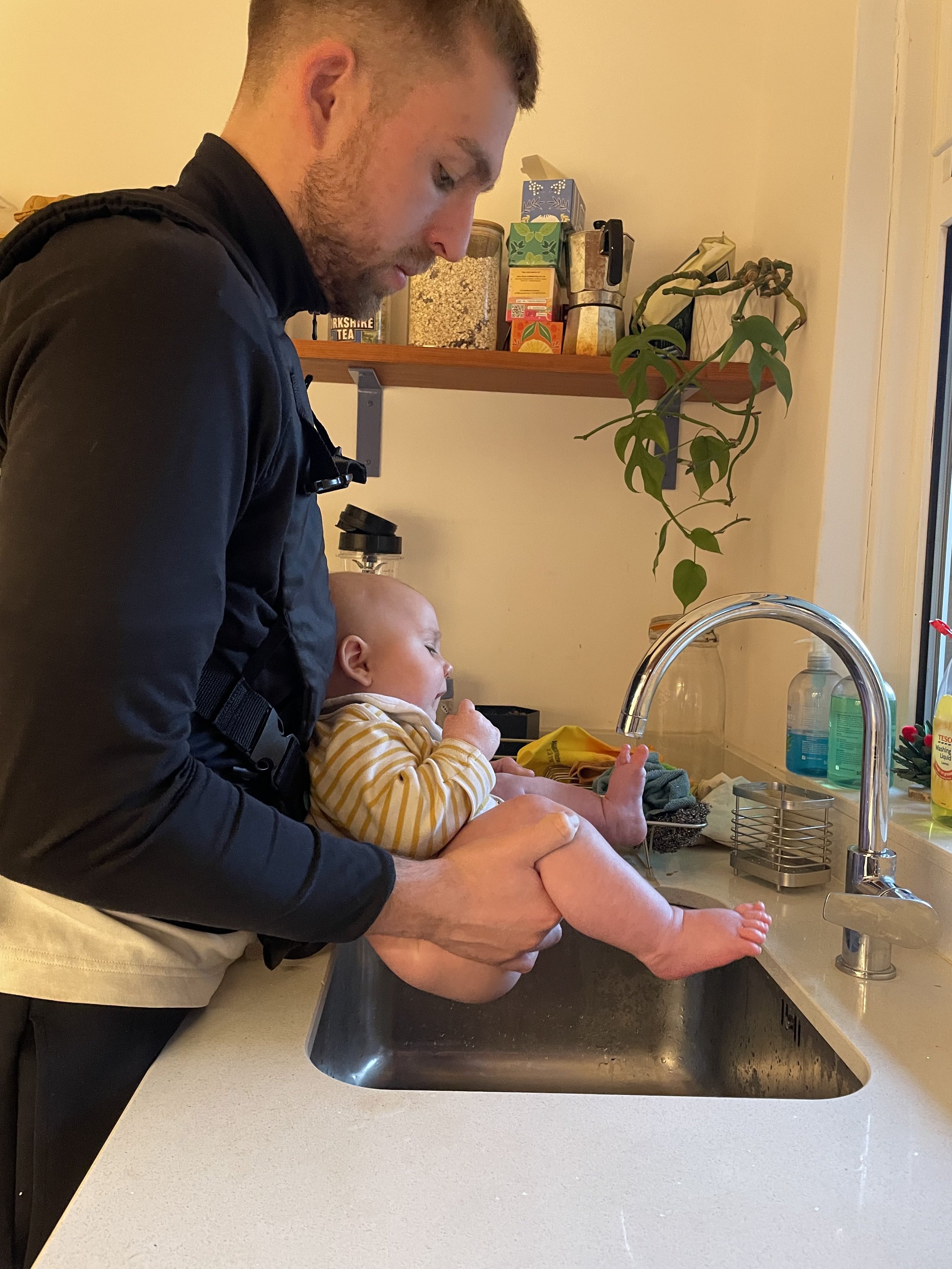
Many parents begin with just one or two predictable potty opportunities, such as after waking up, after feeds, or before/after bath time.
Offer the potty, and see what happens.
You don't need to catch everything—the goal is simply to start building awareness and communication.
A Simple Way To Start
Your Next Steps to Start Pottying
01
What Is Baby Pottying?
02
Get Started With Baby Pottying
YOU ARE HERE
03
What Are My Baby’s Signals?
04
How To Hold Your Baby: Positions
05
Cueing: Sound Association
Let’s make this ancient wisdom feel second nature again.

Product Recommendations
Whilst you don’t need any special products to get started with, check out the products that have helped me along the journey.